
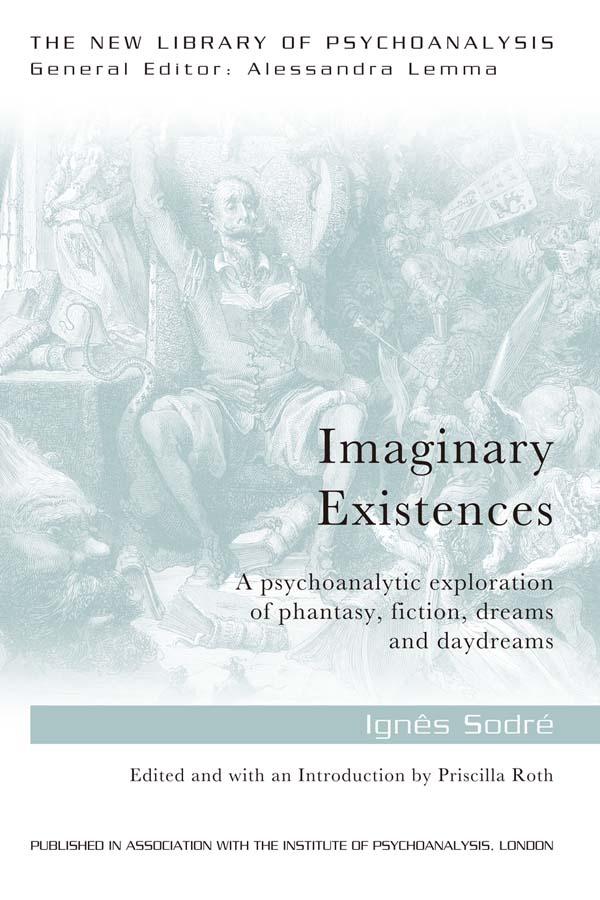
Imaginary Existences: A psychoanalytic exploration of phantasy, fiction, dreams and daydreams interweaves scholarly psychoanalytic knowledge and extensive clinical experience with insights derived from close readings of great literature in a uniquely imaginative and creative manner, convincingly demonstrating how these two ways of thinking – psychoanalysis and literary criticism – organically relate to each other. This is simultaneously a psychoanalytic book and a book about literature, illuminating the imaginative possibilities present within both the psychoanalytic encounter and the act of reading fiction. Scholarly and well researched, the psychoanalytic ideas presented have their basis in the work of Freud and Klein and some of their followers; the extensive and innovative writing about the great authors in Western literature is equally scholarly and lucent.
Here, Ignês Sodré explores creativity itself and, specifically, the impediments to creative thinking: defences, mostly narcissistic, against dependency, guilt and loss, and the mis-use of imagination to deny reality. In her studies of the characters created by authors such as George Eliot, Cervantes, Flaubert, Thomas Mann, Proust and Shakespeare, Sodré examines the way great writers create characters who mis-use their imagination, twisting reality into romantic daydreams or sado-masochistic enactments, which petrify experience and freeze the fluidity of thought. Her clinical studies continue and expand this theme, broadening the field and lending verification and weight to the arguments.
These two poles of Sodré’s thinking – psychoanalysis and literature – interact seamlessly in Imaginary Existences; the two disciplines work together, each an intimate part of a learned exploration of the human condition: our desires, our fears and our delusions. This convergence pays tribute to the great depth of the fictional work being studied and to the psychological validity of the psychoanalytic ideas. This book will be of interest to psychoanalysts, psychologists, psychotherapists, literary critics, and those interested in literature and literary criticism.
Pay easily by card, Klarna, Apple Pay or Google Pay. Not happy? You always have a 14-day money-back guarantee. Read more in our terms. If you have any questions, email us at hello@memmo.org.
Memmo makes studying easier – wherever you are in the world. We bring your course books and smart study tools together in one place: summaries, quizzes, podcasts and flashcards. Plus Ted, your study buddy who answers anything you wonder. Over 50,000 students already study here – built to help you learn faster and stress less.