
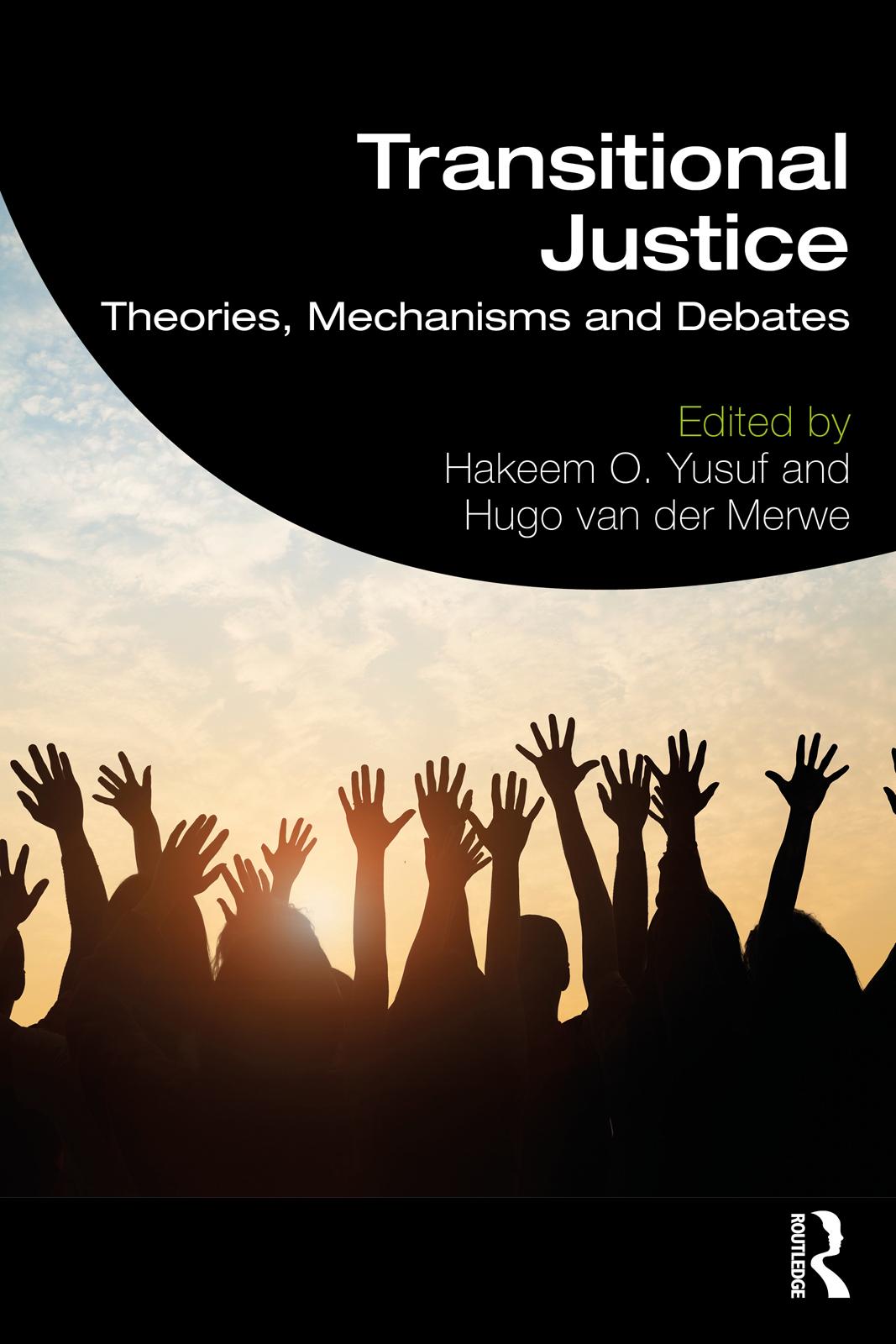
Transitional justice is the way societies that have experienced civil conflict or authoritarian rule and widespread violations of human rights deal with the experience. With its roots in law, transitional justice as an area of study crosses various fields in the social sciences. This book is written with this multi- and inter-disciplinary dynamic of the field in mind.
The book presents the broad scope of transitional justice studies through a focus on the theory, mechanisms and debates in the area, covering such topics as:
- The origin, context and development of transitional justice
- Victims, victimology and transitional justice
- Prosecutions for abuses and gross violations of human rights
- Truth commissions
- Transitional justice and local justice
- Gender, political economy and transitional justice
- Apology, reconciliation and the politics of memory
Offering a discussion of the impact and outcomes of transitional justice, this approach provides valuable insight for those who seek both an introduction alongside relatively advanced engagement with the subject.
Transitional Justice: Theories, Mechanisms and Debates is an important text for postgraduate and advanced undergraduate students who take courses in transitional justice, human rights and criminal law, as well as a systematic reference text for researchers.
Pay easily by card, Klarna, Apple Pay or Google Pay. Not happy? You always have a 14-day money-back guarantee. Read more in our terms. If you have any questions, email us at hello@memmo.org.
Memmo makes studying easier – wherever you are in the world. We bring your course books and smart study tools together in one place: summaries, quizzes, podcasts and flashcards. Plus Ted, your study buddy who answers anything you wonder. Over 50,000 students already study here – built to help you learn faster and stress less.