
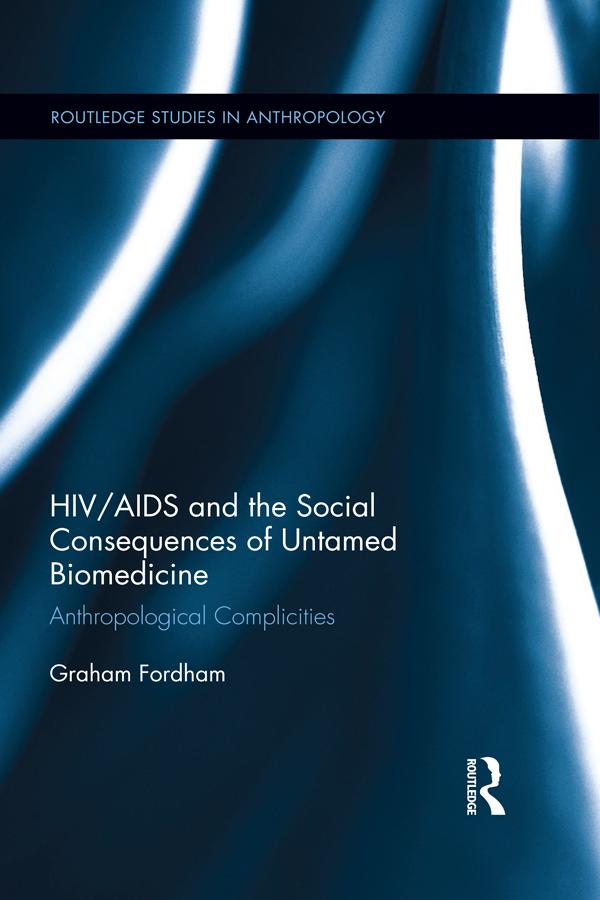
Drawing on the case of HIV/AIDS in Thailand, this book examines how anthropological and other interpretative social science research has been utilized in modeling the AIDS epidemic, and in the design and implementation of interventions. It argues that much social science research has been complicit with the forces that generated the epidemic and with the social control agendas of the state, and that as such it has increased the weight of structural violence bearing upon the afflicted.
The book also questions claims of Thai AIDS control success, arguing that these can only be made at the cost of excluding categories such as intravenous drug users, the incarcerated, and homosexuals, who continue to experience extraordinarily high levels of levels of HIV infection. Considered deviant and undeserving, these persons have deliberately been excluded from harm reduction programs.
Overall, this work argues for the untapped potential of anthropological research in the health field, a confident anthropology rooted in ethnography and a critical reflexivity. Crucially, it argues that in context of interdisciplinary collaborations, anthropological research must refuse relegation to the status of an adjunct discipline, and must be free epistemologically and methodologically from the universalizing assumptions and practices of biomedicine.
Pay easily by card, Klarna, Apple Pay or Google Pay. Not happy? You always have a 14-day money-back guarantee. Read more in our terms. If you have any questions, email us at hello@memmo.org.
Memmo makes studying easier – wherever you are in the world. We bring your course books and smart study tools together in one place: summaries, quizzes, podcasts and flashcards. Plus Ted, your study buddy who answers anything you wonder. Over 50,000 students already study here – built to help you learn faster and stress less.