
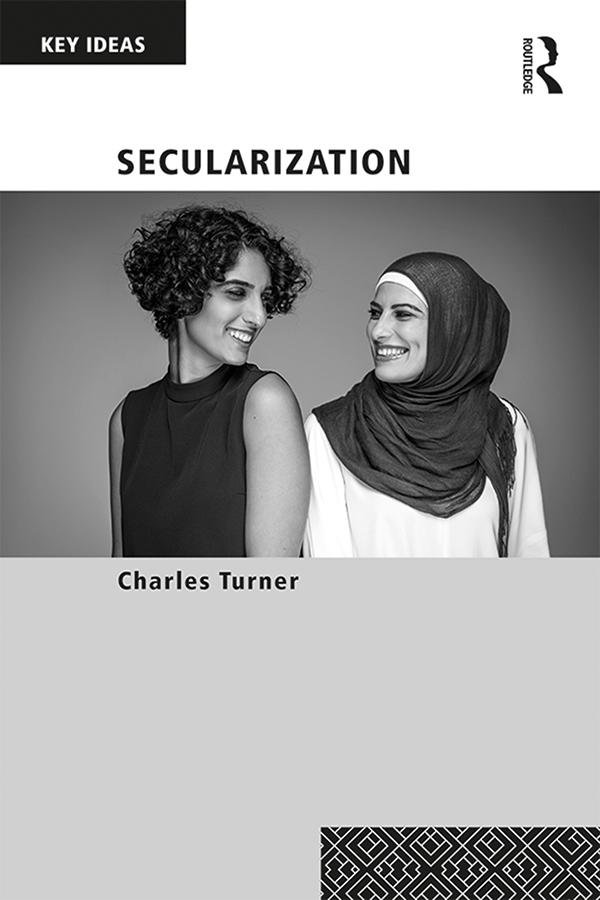
‘Secularization’ sounds simple, a decline in the power of religion. Yet, the history of the term is controversial and multi-faceted; it has been useful to both religious believers and non-believers and has been deployed by scholars to make sense of a variety of aspects of cultural and social change. This book will introduce the reader to this variety and show how secularization bears on the contemporary politics of religion.
Secularization addresses the sociological classics’ ambivalent accounts of the future of religion, later and more robust sociological claims about religious decline, and the most influential philosophical secularization thesis, which says that the dominant ideas of modern thought are in fact religious ones in a secularized form. The book outlines some shortcomings of these accounts in the light of historical inquiry and comparative sociology; examines claims that some religions are ‘resistant to secularization’; and analyzes controversies in the politics of religion, in particular over the relationship between Christianity and Islam and over the implicitly religious character of some modern political movements.
By giving equal attention to both sociological and philosophical accounts of secularization, and equal weight to ideas, institutions, and practices, this book introduces complicated ideas in a digestible format. It will appeal to students and scholars interested in making unusual connections within sociology, anthropology, philosophy, theology, and political theory.
Pay easily by card, Klarna, Apple Pay or Google Pay. Not happy? You always have a 14-day money-back guarantee. Read more in our terms. If you have any questions, email us at hello@memmo.org.
Memmo makes studying easier – wherever you are in the world. We bring your course books and smart study tools together in one place: summaries, quizzes, podcasts and flashcards. Plus Ted, your study buddy who answers anything you wonder. Over 50,000 students already study here – built to help you learn faster and stress less.