
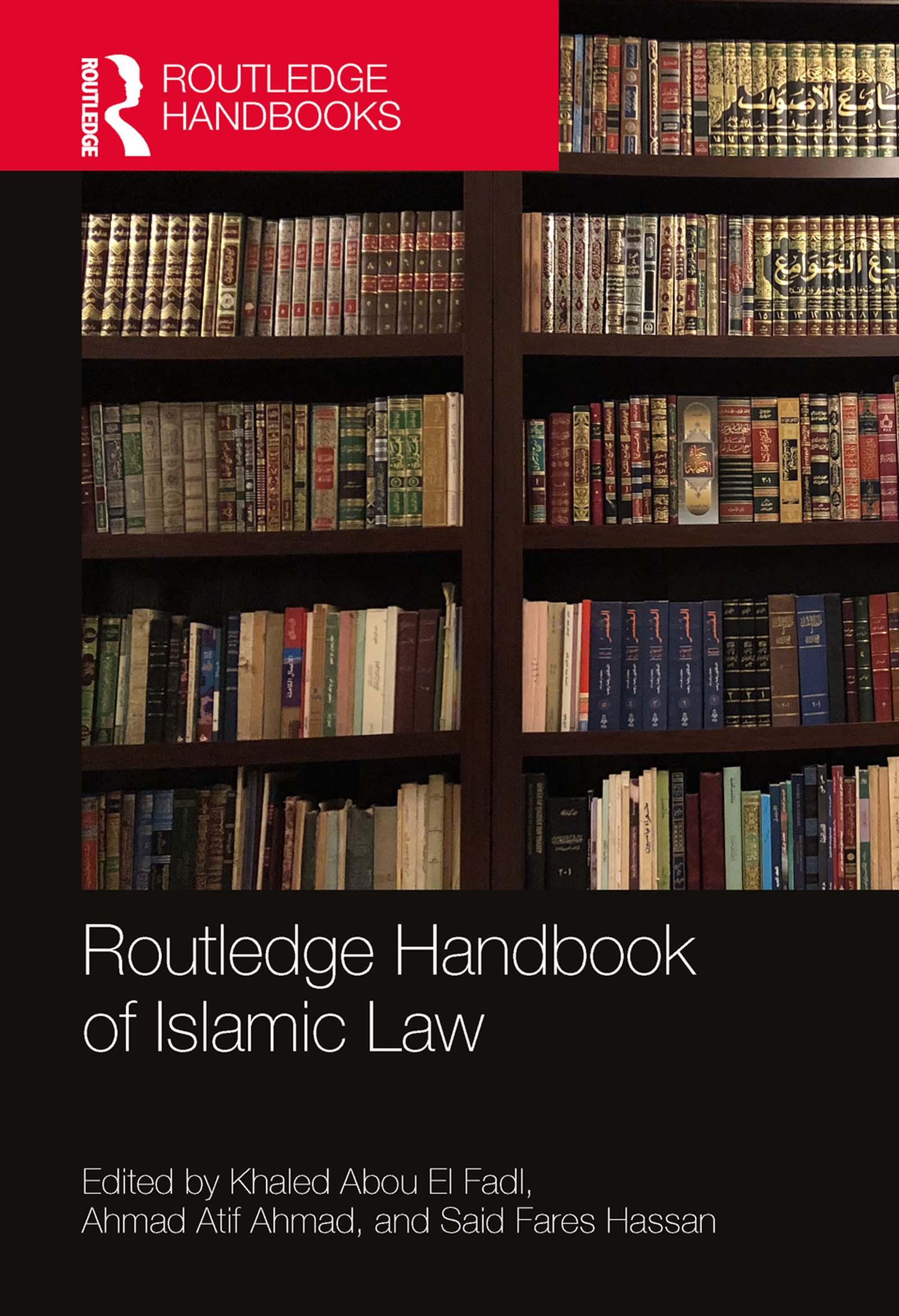
This handbook is a detailed reference source comprising original articles covering the origins, history, theory and practice of Islamic law. The handbook starts out by dealing with the question of what type of law is Islamic law and includes a critical analysis of the pedagogical approaches to studying and analysing Islamic law as a discipline. The handbook covers a broad range of issues, including the role of ethics in Islamic jurisprudence, the mechanics and processes of interpretation, the purposes and objectives of Islamic law, constitutional law and secularism, gender, bioethics, Muslim minorities in the West, jihad and terrorism.
Previous publications on this topic have approached Islamic law from a variety of disciplinary and pedagogical perspectives. One of the original features of this handbook is that it treats Islamic law as a legal discipline by taking into account the historical functions and processes of legal cultures and the patterns of legal thought.
With contributions from a selection of highly regarded and leading scholars in this field, the Routledge Handbook of Islamic Law is an essential resource for students and scholars who are interested in the field of Islamic Law.
Pay easily by card, Klarna, Apple Pay or Google Pay. Not happy? You always have a 14-day money-back guarantee. Read more in our terms. If you have any questions, email us at hello@memmo.org.
Memmo makes studying easier – wherever you are in the world. We bring your course books and smart study tools together in one place: summaries, quizzes, podcasts and flashcards. Plus Ted, your study buddy who answers anything you wonder. Over 50,000 students already study here – built to help you learn faster and stress less.