
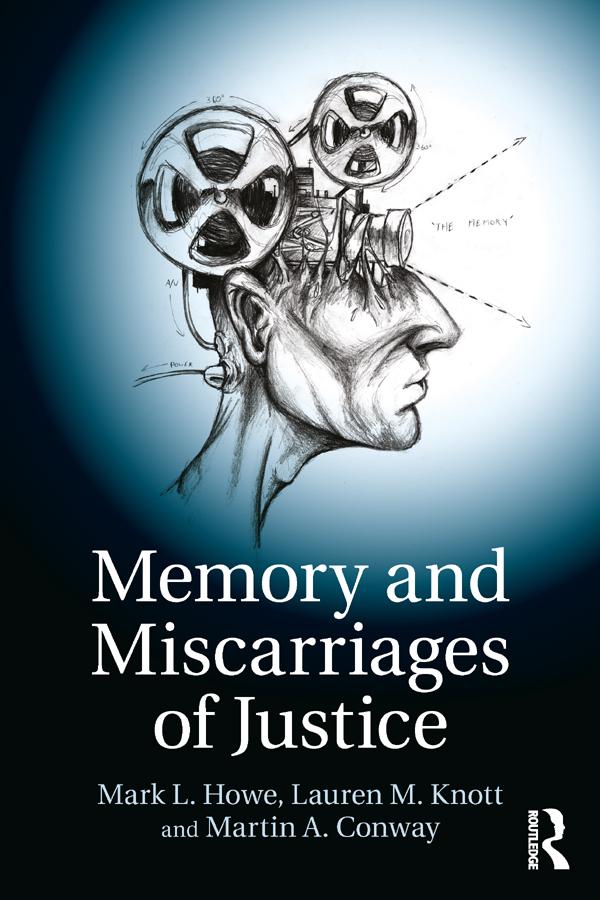
Memory is often the primary evidence in the courtroom, yet unfortunately this evidence may not be fit for purpose. This is because memory is both fallible and malleable; it is possible to forget and also to falsely remember things which never happened.
The legal system has been slow to adapt to scientific findings about memory even though such findings have implications for the use of memory as evidence, not only in the case of eyewitness testimony, but also for how jurors, barristers, and judges weigh evidence. Memory and Miscarriages of Justice provides an authoritative look at the role of memory in law and highlights the common misunderstandings surrounding it while bringing the modern scientific understanding of memory to the forefront.
Drawing on the latest research, this book examines cases where memory has played a role in miscarriages of justice and makes recommendations from the science of memory to support the future of memory evidence in the legal system. Appealing to undergraduate and postgraduate students of psychology and law, memory experts, and legal professionals, this book provides an insightful and global view of the use of memory within the legal system.
Pay easily by card, Klarna, Apple Pay or Google Pay. Not happy? You always have a 14-day money-back guarantee. Read more in our terms. If you have any questions, email us at hello@memmo.org.
Memmo makes studying easier – wherever you are in the world. We bring your course books and smart study tools together in one place: summaries, quizzes, podcasts and flashcards. Plus Ted, your study buddy who answers anything you wonder. Over 50,000 students already study here – built to help you learn faster and stress less.