
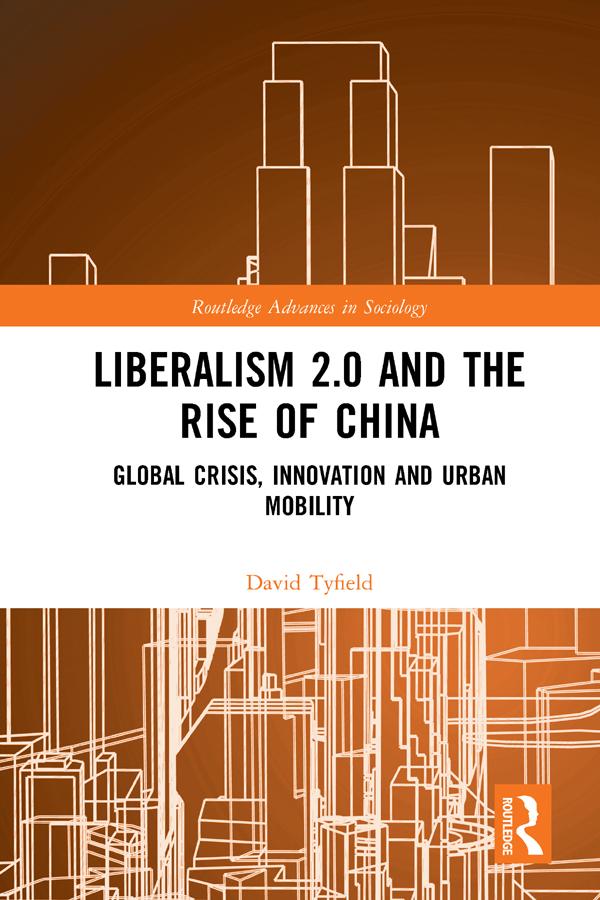
What can we do in this period of historic, global turbulence? Mainstream narratives have no plausible account of how to stop exacerbating the multiple, overlapping challenges; much less begin to address them meaningfully. The only thing everyone agrees is innovation will be needed.
But what is innovation? Usually, it is understood as new technologies that will ‘solve’ specific ‘problems’ – and, it is hoped, return life to a ‘business as usual’ of progress in individual freedom and wealth. But innovation is a thoroughly social process with profound implications for the arrangement of power in a society, hence shaping the emergence of new social systems. Exploring evidence from the key arenas of low-carbon innovation, including in the pivotal location of a rising China, this book describes the global systemic crisis of a neoliberal world order and the embryonic emergence of an alternative global power regime of a ‘liberalism 2.0’. This augurs both a web 2.0-based revitalization of the classical liberalism of the nineteenth century and new Dickensian inequalities and injustices. Against hopes that the present is a ‘revolutionary’ moment, therefore, political engagement with this emerging power regime is thus presented as the most productive strategy for a progressive twenty-first century politics.
Pay easily by card, Klarna, Apple Pay or Google Pay. Not happy? You always have a 14-day money-back guarantee. Read more in our terms. If you have any questions, email us at hello@memmo.org.
Memmo makes studying easier – wherever you are in the world. We bring your course books and smart study tools together in one place: summaries, quizzes, podcasts and flashcards. Plus Ted, your study buddy who answers anything you wonder. Over 50,000 students already study here – built to help you learn faster and stress less.