
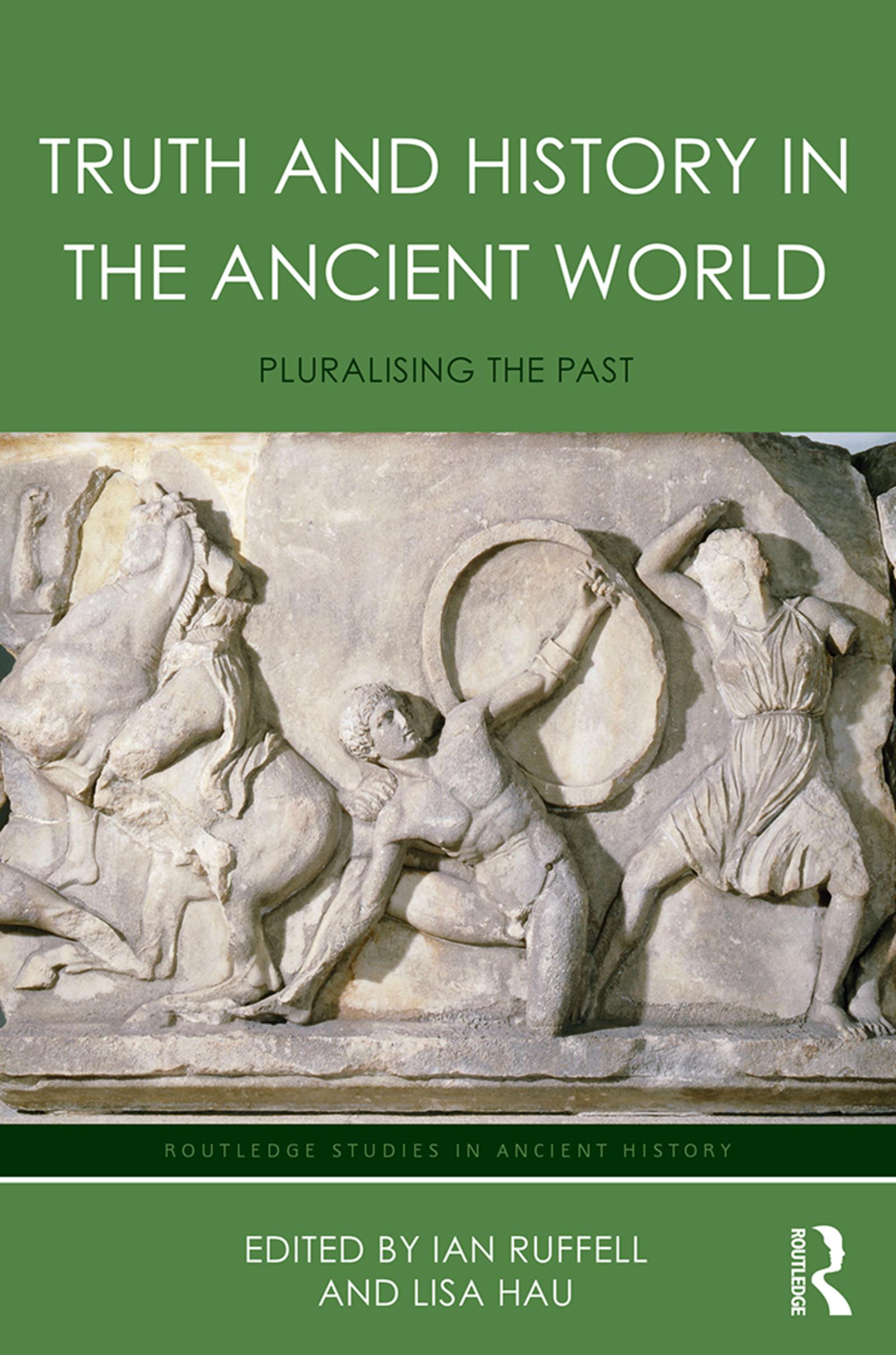
This collection of essays investigates histories in the ancient world and the extent to which the producers and consumers of those histories believed them to be true. Ancient Greek historiographers repeatedly stressed the importance of truth to history; yet they also purported to believe in myth, distorted facts for nationalistic or moralizing purposes, and omitted events that modern audiences might consider crucial to a truthful account of the past. Truth and History in the Ancient World explores a pluralistic concept of truth – one in which different versions of the same historical event can all be true – or different kinds of truths and modes of belief are contingent on culture.
Beginning with comparisons between historiography and aspects of belief in Greek tragedy, chapters include discussions of historiography through the works of Herodotus, Xenophon, and Ktesias, as well as Hellenistic and later historiography, material culture in Vitruvius, and Lucian’s satire. Rather than investigate whether historiography incorporates elements of poetic, rhetorical, or narrative techniques to shape historical accounts, or whether cultural memory is flexible or manipulated, this volume examines pluralities of truth and belief within the ancient world – and consequences for our understanding of culture, ancient or otherwise.
Pay easily by card, Klarna, Apple Pay or Google Pay. Not happy? You always have a 14-day money-back guarantee. Read more in our terms. If you have any questions, email us at hello@memmo.org.
Memmo makes studying easier – wherever you are in the world. We bring your course books and smart study tools together in one place: summaries, quizzes, podcasts and flashcards. Plus Ted, your study buddy who answers anything you wonder. Over 75,000 students already study here – built to help you learn faster and stress less.