
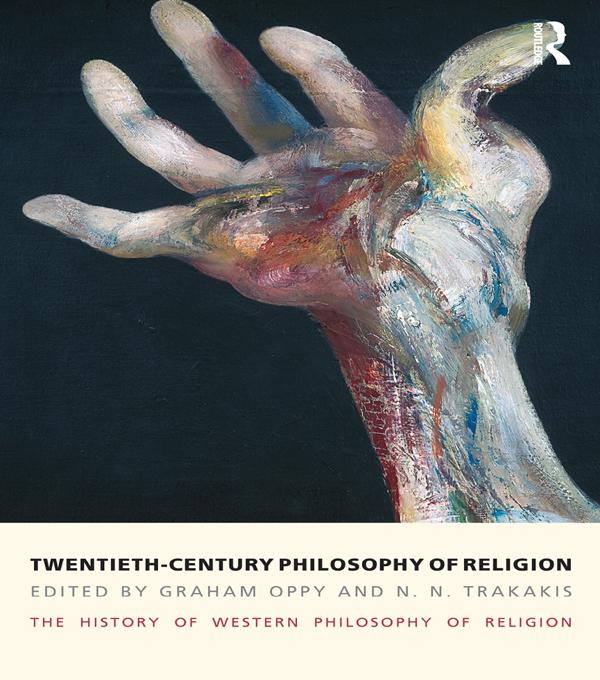
The twentieth century saw religion challenged by the rise of science and secularism, a confrontation which resulted in an astonishingly diverse range of philosophical views about religion and religious belief. Many of the major philosophers of the twentieth century - James, Bergson, Russell, Wittgenstein, Ayer, Heidegger, and Derrida - significantly engaged with religious thought. Idiosyncratic thinkers, such as Whitehead, Levinas and Weil, further contributed to the extraordinary diversity of philosophical investigation of religion across the century. In their turn, leading theologians and religious philosophers - notably Buber, Tillich and Barth - directly engaged with the philosophy of religion. Later, philosophy of religion became a distinct field of study, led by the work of Hick, Alston, Plantinga, and Swinburne. "Twentieth-Century Philosophy of Religion" provides an accessible overview of the major strands in the rich tapestry of twentieth-century thought about religion and will be an indispensible resource for any interested in contemporary philosophy of religion.
Pay easily by card, Klarna, Apple Pay or Google Pay. Not happy? You always have a 14-day money-back guarantee. Read more in our terms. If you have any questions, email us at hello@memmo.org.
Memmo makes studying easier – wherever you are in the world. We bring your course books and smart study tools together in one place: summaries, quizzes, podcasts and flashcards. Plus Ted, your study buddy who answers anything you wonder. Over 50,000 students already study here – built to help you learn faster and stress less.
You might also like
Buy the book0