
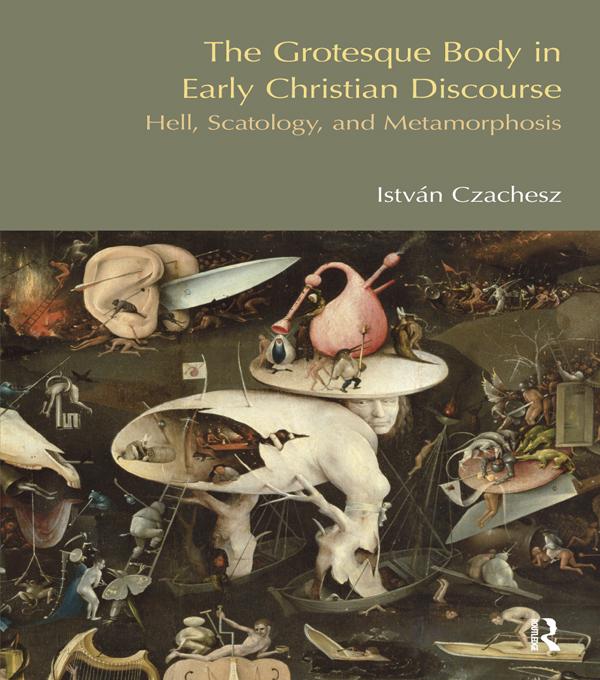
Early Christian apocryphal and conical documents present us with grotesque images of the human body, often combining the playful and humorous with the repulsive, and fearful. First to third century Christian literature was shaped by the discourse around and imagery of the human body. This study analyses how the iconography of bodily cruelty and visceral morality was produced and refined from the very start of Christian history. The sources range across Greek comedy, Roman and Jewish demonology, and metamorphosis traditions. The study reveals how these images originated, were adopted, and were shaped to the service of a doctrinally and psychologically persuasive Christian message.
Pay easily by card, Klarna, Apple Pay or Google Pay. Not happy? You always have a 14-day money-back guarantee. Read more in our terms. If you have any questions, email us at hello@memmo.org.
Memmo makes studying easier – wherever you are in the world. We bring your course books and smart study tools together in one place: summaries, quizzes, podcasts and flashcards. Plus Ted, your study buddy who answers anything you wonder. Over 50,000 students already study here – built to help you learn faster and stress less.
You might also like
Buy the book0