
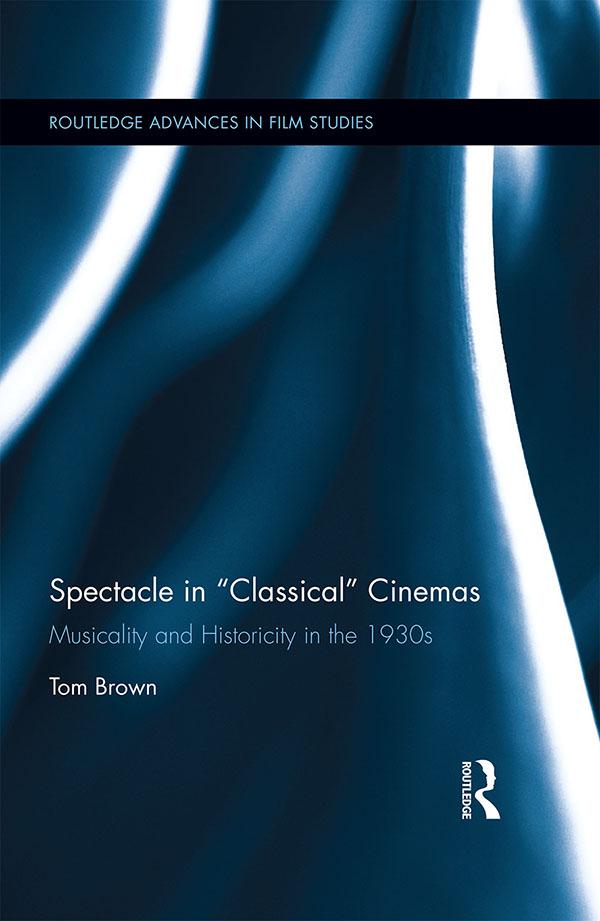
Spectacle is not often considered to be a significant part of the style of ‘classical’ cinema. Indeed, some of the most influential accounts of cinematic classicism define it virtually by the supposed absence of spectacle. Spectacle in ‘Classical’ Cinemas: Musicality and Historicity in the 1930s brings a fresh perspective on the role of the spectacular in classical sound cinema by focusing on one decade of cinema (the 1930s), in two ‘modes’ of filmmaking (musical and historical films), and in two national cinemas (the US and France). This not only brings to light the special rhetorical and affective possibilities offered by spectacular images but refines our understanding of what ‘classical’ cinema is and was.
Pay easily by card, Klarna, Apple Pay or Google Pay. Not happy? You always have a 14-day money-back guarantee. Read more in our terms. If you have any questions, email us at hello@memmo.org.
Memmo makes studying easier – wherever you are in the world. We bring your course books and smart study tools together in one place: summaries, quizzes, podcasts and flashcards. Plus Ted, your study buddy who answers anything you wonder. Over 50,000 students already study here – built to help you learn faster and stress less.