
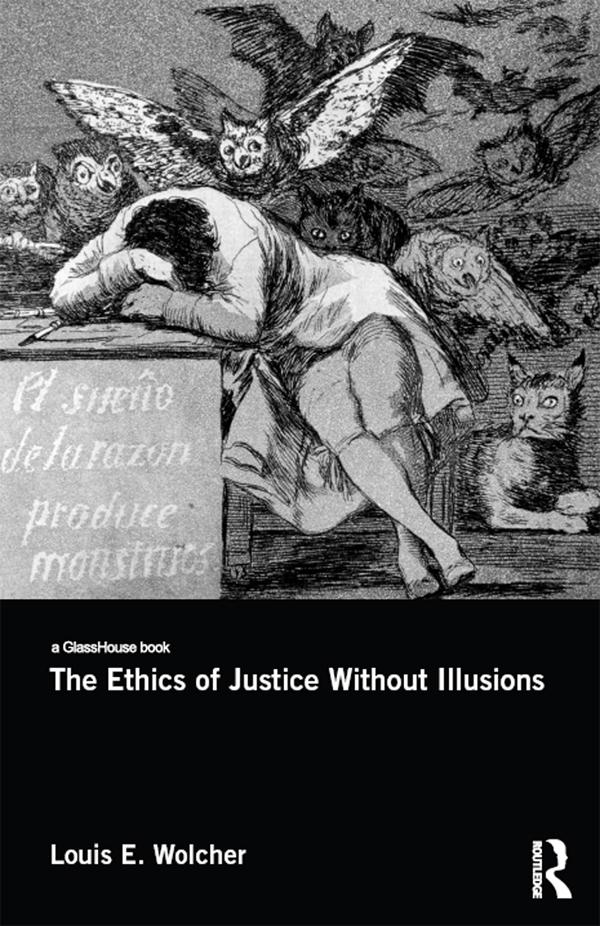
The founding premise of this book is that the nimbus of prestige, which once surrounded the idea of justice, has now been dimmed to such a degree that it is no longer sufficient to secure the possibility of a good conscience for those who undertake, in good faith, to make the world a better place in the spheres of politics and law. The many decent human beings who have noticed and experienced this diminishment of justice’s prestige find themselves in a thoroughly disenchanted existential situation. For them, the attempt to do justice without the illusion of being grounded in something beyond the sheer facticity of their own performances is a distinctly ethical theme, which cries out to be investigated in its own right. Heeding the cry, this book asks and attempts to answer the following fundamental ethical question: is a life in the law – even one spent in the pursuit of justice – worth living, and if so, how can a disenchanted person come to bear the living of it without constantly having to engage in self-deception? If Nietzsche is right that living without illusions is impossible for human beings, then the most important ethical implication of this essentially anthropological fact goes far beyond the question of what illusions we ought to choose. It must also include the question of whether we should succumb to that most seductive and pernicious of all illusions: namely, the belief that exercising great care and responsibility in choosing our illusions – which we might then call our ‘principles of justice’ – excuses us ethically for what we do to others in their name. The culmination of a 10 year legal-philosophical project, this book will appeal to graduate students, scholars and curious non-academic intellectuals interested in continental philosophy, critical legal theory, postmodern theology, the philosophy of human rights and the study of individual ethics in the context of law.
Pay easily by card, Klarna, Apple Pay or Google Pay. Not happy? You always have a 14-day money-back guarantee. Read more in our terms. If you have any questions, email us at hello@memmo.org.
Memmo makes studying easier – wherever you are in the world. We bring your course books and smart study tools together in one place: summaries, quizzes, podcasts and flashcards. Plus Ted, your study buddy who answers anything you wonder. Over 50,000 students already study here – built to help you learn faster and stress less.