
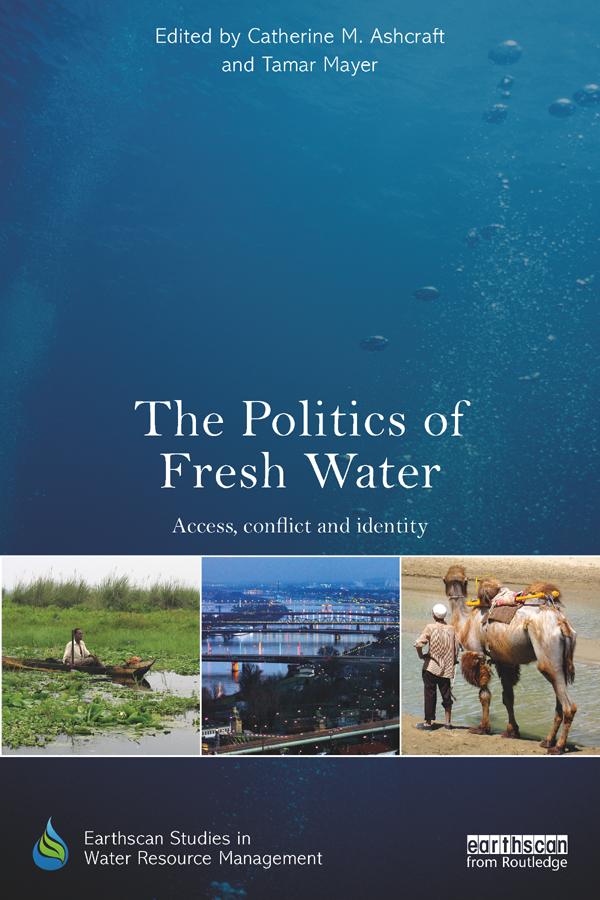
Water scarcity is not simply the result of what nature has to offer but always involves power relations and political decisions. This volume discusses the politics of the freshwater crisis, specifically how access to water is determined in different regions and historical periods, how conflict is constructed and managed, and how identity and efforts to control water systems, through development, technologies, and institutions, shape one another.
The book analyzes responses to the water crisis as efforts to mitigate water insecurity and as expressions of collective identity that legitimate, resist, or seek to transform existing inequalities. The chapters focus on different processes that contribute to freshwater scarcity, including land use decisions, pollution, privatization, damming, climate change, discrimination, water management institutions and technology. Case studies are included from North and South America, Africa, Asia, Europe and New Zealand.
Pay easily by card, Klarna, Apple Pay or Google Pay. Not happy? You always have a 14-day money-back guarantee. Read more in our terms. If you have any questions, email us at hello@memmo.org.
Memmo makes studying easier – wherever you are in the world. We bring your course books and smart study tools together in one place: summaries, quizzes, podcasts and flashcards. Plus Ted, your study buddy who answers anything you wonder. Over 50,000 students already study here – built to help you learn faster and stress less.