
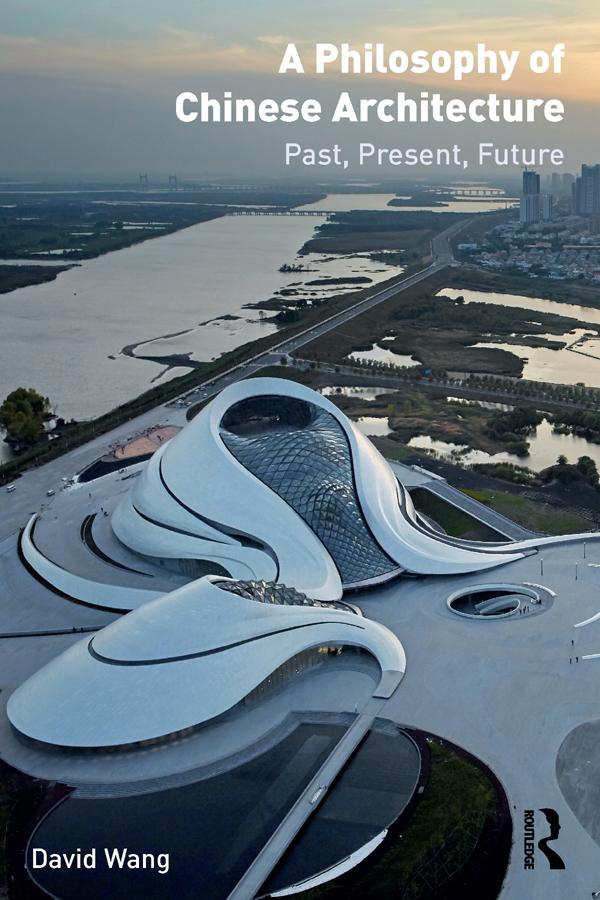
A Philosophy of Chinese Architecture: Past, Present, Future examines the impact of Chinese philosophy on China’s historic structures, as well as on modern Chinese urban aesthetics and architectural forms. For architecture in China moving forward, author David Wang posits a theory, the New Virtualism, which links current trends in computational design with long-standing Chinese philosophical themes. The book also assesses twentieth-century Chinese architecture through the lenses of positivism, consciousness (phenomenology), and linguistics (structuralism and poststructuralism). Illustrated with over 70 black-and-white images, this book establishes philosophical baselines for assessing architectural developments in China, past, present and future.
Pay easily by card, Klarna, Apple Pay or Google Pay. Not happy? You always have a 14-day money-back guarantee. Read more in our terms. If you have any questions, email us at hello@memmo.org.
Memmo makes studying easier – wherever you are in the world. We bring your course books and smart study tools together in one place: summaries, quizzes, podcasts and flashcards. Plus Ted, your study buddy who answers anything you wonder. Over 75,000 students already study here – built to help you learn faster and stress less.