
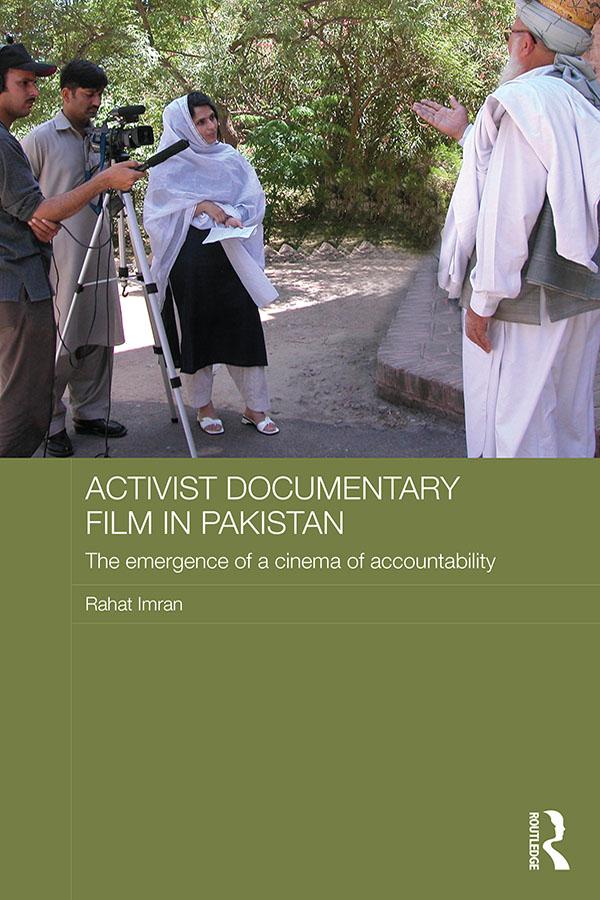
This book, the first academic book on Pakistani documentary cinema, traces the development of activist filmmaking practices in Pakistan which have emerged as a response to the consequences of religious fundamentalism, extremism, and violation of human rights. Beginning with the period of General Zia-ul-Haq’s Islamization process (1977-88), it discusses a selection of representative documentary films that have critically addressed and documented the various key transformations, events, and developments that have shaped Pakistan’s socio-political, socio-economic, and cultural history. Such activist filmmaking practice in Pakistan is today an influential factor in addressing the politics, and negative and oppressive effects of the Islamization era, discriminatory laws, particularly gender-discriminatory Sharia laws, violation of human and citizen rights, authoritarianism, internal strife, the spread of religious fundamentalism, and the threat of Talibanization, and oppressive tribal customs and traditions. The contribution of Pakistani documentary filmmakers stands as a significant body of work that has served the cause of human rights, promoting awareness and social change in Pakistan, particularly regarding gender rights.
Pay easily by card, Klarna, Apple Pay or Google Pay. Not happy? You always have a 14-day money-back guarantee. Read more in our terms. If you have any questions, email us at hello@memmo.org.
Memmo makes studying easier – wherever you are in the world. We bring your course books and smart study tools together in one place: summaries, quizzes, podcasts and flashcards. Plus Ted, your study buddy who answers anything you wonder. Over 50,000 students already study here – built to help you learn faster and stress less.