
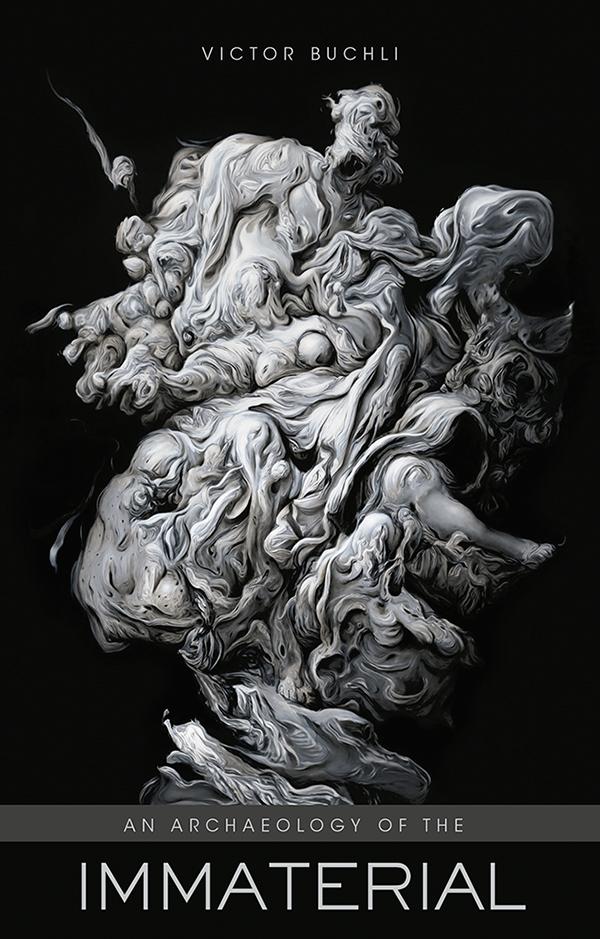
An Archaeology of the Immaterial examines a highly significant but poorly understood aspect of material culture studies: the active rejection of the material world. Buchli argues that this is evident in a number of cultural projects, including anti-consumerism and asceticism, as well as other attempts to transcend material circumstances. Exploring the cultural work which can be achieved when the material is rejected, and the social effects of these ‘dematerialisations’, this book situates the way some people disengage from the world as a specific kind of physical engagement which has profound implications for our understanding of personhood and materiality.
Using case studies which range widely in time over Western societies and the technologies of materialising the immaterial, from icons to the scanning tunnelling microscope and 3-D printing, Buchli addresses the significance of immateriality for our own economics, cultural perceptions, and emerging forms of social inclusion and exclusion. An Archaeology of the Immaterial is thus an important and innovative contribution to material cultural studies which demonstrates that the making of the immaterial is, like the making of the material, a profoundly powerful operation which works to exert social control and delineate the borders of the imaginable and the enfranchised.
Pay easily by card, Klarna, Apple Pay or Google Pay. Not happy? You always have a 14-day money-back guarantee. Read more in our terms. If you have any questions, email us at hello@memmo.org.
Memmo makes studying easier – wherever you are in the world. We bring your course books and smart study tools together in one place: summaries, quizzes, podcasts and flashcards. Plus Ted, your study buddy who answers anything you wonder. Over 50,000 students already study here – built to help you learn faster and stress less.