
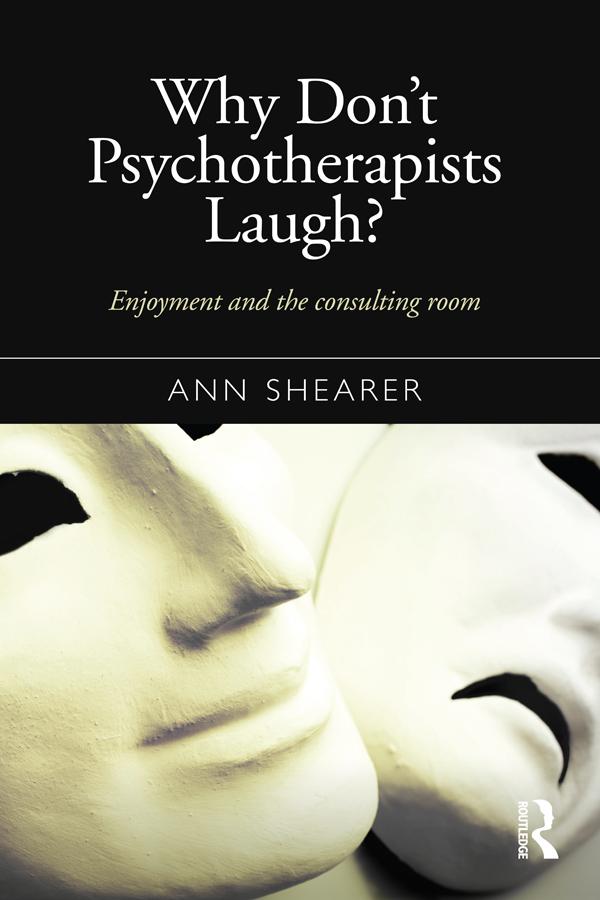
The capacity for humour is one of life's blessings. So why is it so lacking in the theory and even the practice of analysis and therapy? Why Don’t Psychotherapists Laugh? is the first book of its kind about a neglected and even taboo topic: the place of enjoyment and good humour in psychotherapy.
Why Don’t Psychotherapists Laugh? traces the development of professional psychotherapy and its almost exclusive focus on life's tragedies. This may naturally suit some practitioners; others may learn that a proper therapeutic persona is serious, even solemn. But what are they and their clients missing? Ann Shearer draws on ideas about humour and its functions from antiquity to contemporary stand-up comedy and beyond, to explore how it works in both mind and body. Shearer demonstrates how even the blackest humour may yield psychological information, and how humour can help build therapeutic relationships and be a catalyst for healing. Through real-life stories from consulting rooms, told by both therapists and clients, the author shows how a sense of enjoyment and good humour can restore life to people in distress- and how destructive a lack of these may become.
This book offers food for thought about the theory and practice of psychotherapy. It encourages analysts and therapists from different schools to look again at some of the assumptions on which they base their practice and teaching, and provides a resource for further reflection on the therapeutic task. Taking a psychological look at where humour comes from, what it's about and why we need it, this book will also intrigue anyone who wants to know more about the kinds of people psychotherapists are, what they do and why.
Written in a highly accessible style, Why Don't Psychotherapists Laugh? will appeal to psychotherapists with a range of trainings and allegiances, their teachers in vocational and academic institutions and their clients, as well as to readers with an interest in psychotherapy, humour and psychology.
Pay easily by card, Klarna, Apple Pay or Google Pay. Not happy? You always have a 14-day money-back guarantee. Read more in our terms. If you have any questions, email us at hello@memmo.org.
Memmo makes studying easier – wherever you are in the world. We bring your course books and smart study tools together in one place: summaries, quizzes, podcasts and flashcards. Plus Ted, your study buddy who answers anything you wonder. Over 50,000 students already study here – built to help you learn faster and stress less.