
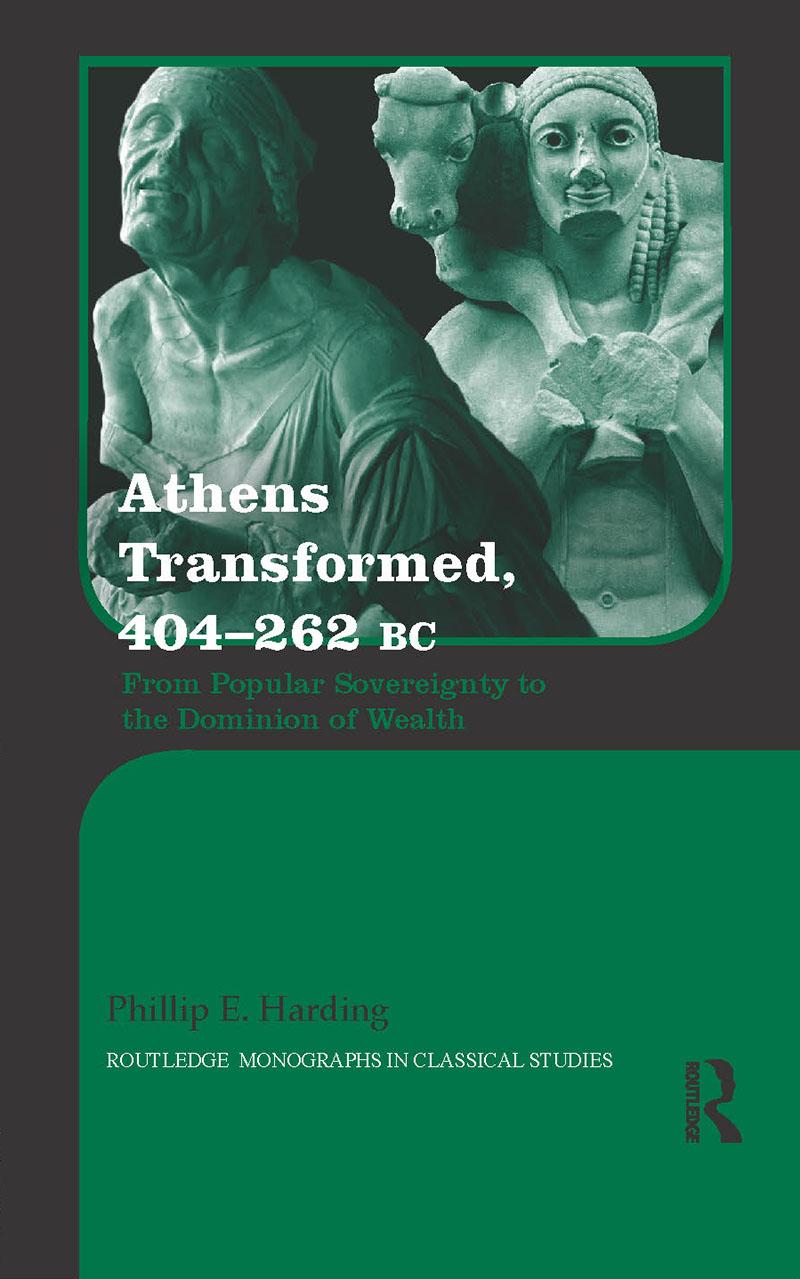
During the heady, democratic days of the fifth and fourth centuries, the poorer members of Athenian society, the lower two classes of zeugitai and thetes, enjoyed an unprecedented dominance in both domestic and foreign politics. At home, the participatory nature of the constitution required their presence not only in the lawcourts and assembly, but also in most of the minor magistracies; abroad, they were the driving force of the navy, which ensured Athens’ control of the Aegean and the Black seas. Their participation at all levels was made possible by state pay (for jury duty, attendance in the assembly, public office and military service). In the fifth century state pay was financed largely through the tribute paid by members of the empire, supplemented by the liturgical contributions of the rich and, beginning during the war, a property tax (the eisphora). In the fourth century, almost the whole burden was shouldered by taxation upon the wealthy, especially those who owned property.
In this book, author Phillip Harding traces the major changes that occurred in the administration of the state that eventually deprived the lower classes of their supremacy and transferred power into the hands of the wealthy land-owners. Things changed radically after Athens’ defeat in the Lamian (or Hellenic) War in 322BC. Over the next several decades, restriction of the franchise, elimination of pay for some public offices, the loss of the navy, the increased dependence upon local grain from the larger estates in Attika, the removal of the tax burden from the rich by the ending of such major liturgies as the trierarchia and the choregia and the abandoning of the eisphora all contributed to this transformation.
Pay easily by card, Klarna, Apple Pay or Google Pay. Not happy? You always have a 14-day money-back guarantee. Read more in our terms. If you have any questions, email us at hello@memmo.org.
Memmo makes studying easier – wherever you are in the world. We bring your course books and smart study tools together in one place: summaries, quizzes, podcasts and flashcards. Plus Ted, your study buddy who answers anything you wonder. Over 75,000 students already study here – built to help you learn faster and stress less.