
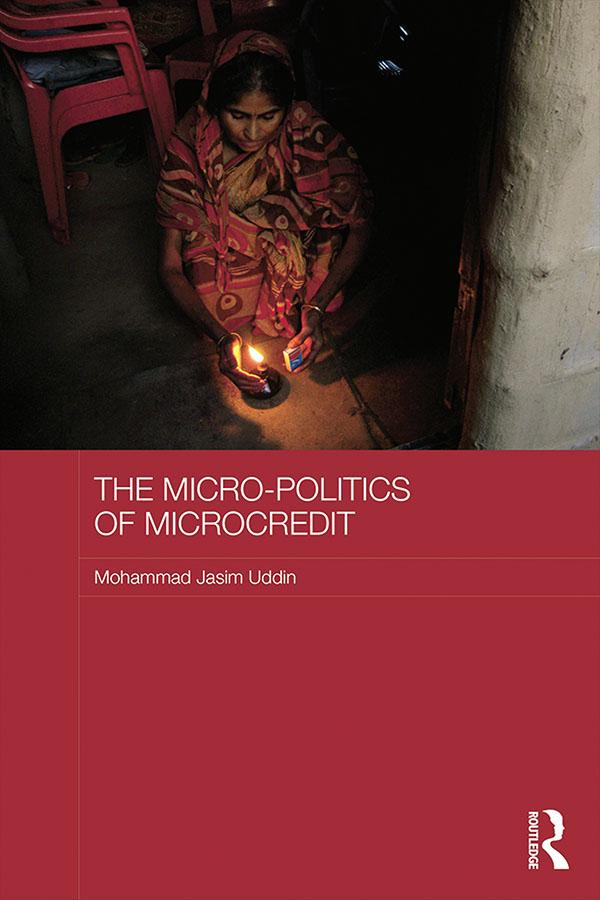
Microcredit has been seen in recent decades as having great potential for aiding development in poor developing countries, with Bangladesh being one of the countries which has pioneered microcredit and implemented it most widely. This book, based on extensive original research, explores how microcredit works in practice, and assesses its effectiveness. It discusses how microcredit, usually channelled through women, is often passed to the men of the family, a practice disapproved of by some, but regarded as acceptable by borrowers who have a communal approach to debt, rather than viewing debt as something held by single individuals. The book demonstrates how the rules around microcredit are often seem as irksome by the borrowers, how lenders often charge high rates of interest and work primarily to preserve their institutions, thereby going against the spirit of the microcredit movement, and how borrowers often end up on a downward spiral, deeper and deeper in debt. Overall, the book argues that although microcredit does much good, it also has many drawbacks.
Pay easily by card, Klarna, Apple Pay or Google Pay. Not happy? You always have a 14-day money-back guarantee. Read more in our terms. If you have any questions, email us at hello@memmo.org.
Memmo makes studying easier – wherever you are in the world. We bring your course books and smart study tools together in one place: summaries, quizzes, podcasts and flashcards. Plus Ted, your study buddy who answers anything you wonder. Over 50,000 students already study here – built to help you learn faster and stress less.