
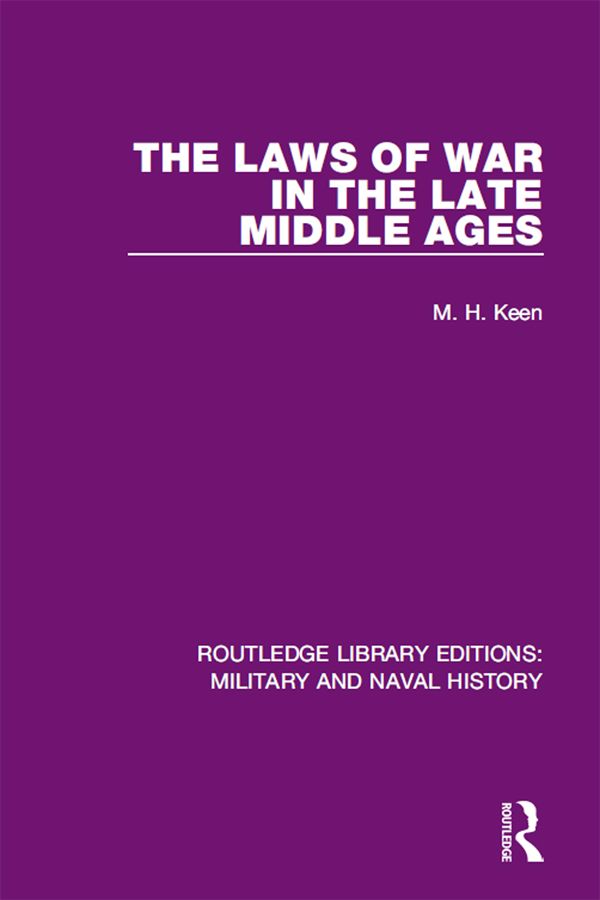
Many of the combatants in the European wars of the late middle ages fought for their own gain, but they observed a code of regulations, part chivalrous and part commercial which they called the ‘law of arms’. This book, originally published in 1965, examines this soldiers’ code, to understand its rules and how they were enforced. How did a soldier sue for ransom money if his prisoner would not pay it, and before what court? How did he know whether what he took by force was lawful spoil? As the answers to these and other questions reveal, the workings of the law of arms gave practical point to the contemporary cult of chivalry. It also had an important influence on the early development of ideas of international law.
Pay easily by card, Klarna, Apple Pay or Google Pay. Not happy? You always have a 14-day money-back guarantee. Read more in our terms. If you have any questions, email us at hello@memmo.org.
Memmo makes studying easier – wherever you are in the world. We bring your course books and smart study tools together in one place: summaries, quizzes, podcasts and flashcards. Plus Ted, your study buddy who answers anything you wonder. Over 50,000 students already study here – built to help you learn faster and stress less.