
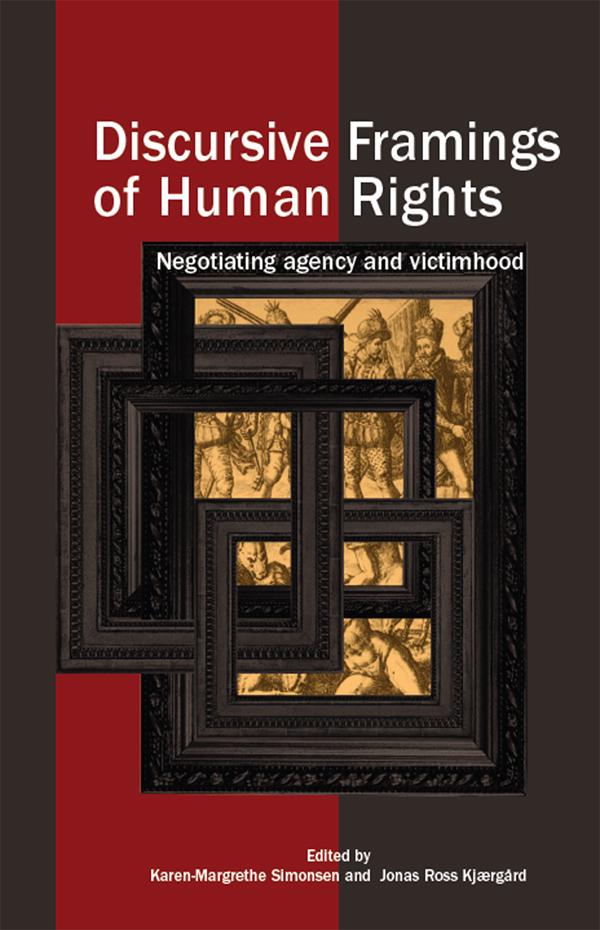
What does it mean to be a subject of human rights? The status of the subject is closely connected with the form and rhetoric of the framing discourse, and this book investigates the relationship between the status of the subject and the form of human rights discourse, in differing aesthetic and social contexts. Historical as well as contemporary declarations of rights have stressed both the protective and political aspects of human rights. But in concrete situations and conflictual moments, the high moral legitimacy of human rights rhetoric has often clouded the actual character of specific interventions, and so made it difficult to differentiate between the objects of humanitarian intervention and the subjects of politics. Critically re-examining this opposition – between victims and agents of human rights – through a focus on the ways in which discourses of rights are formed and circulated within and between political societies, this book elicits the fluidity of their relationship, and with it the shifting relation between human rights and humanitarianism. Analysing the symbolic framings of testimonies, disaster stories, atrocity tales, political speeches, and philosophical arguments, it thus establishes a relationship between these different genres and the political, economic, and legal dimensions of human rights discourse.
Pay easily by card, Klarna, Apple Pay or Google Pay. Not happy? You always have a 14-day money-back guarantee. Read more in our terms. If you have any questions, email us at hello@memmo.org.
Memmo makes studying easier – wherever you are in the world. We bring your course books and smart study tools together in one place: summaries, quizzes, podcasts and flashcards. Plus Ted, your study buddy who answers anything you wonder. Over 50,000 students already study here – built to help you learn faster and stress less.