
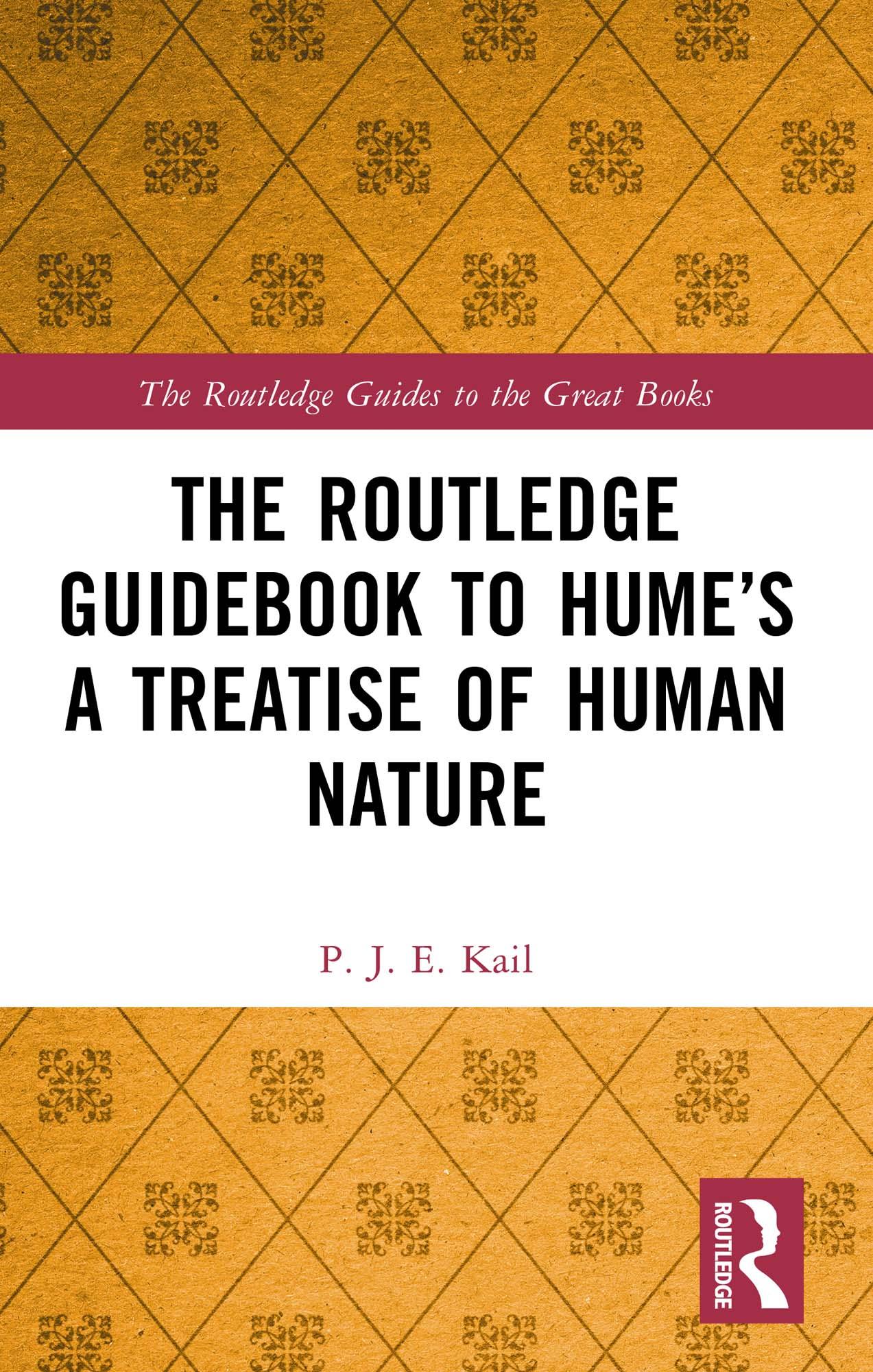
David Hume is widely acknowledged as the greatest philosopher to have written in the English language. His 1739/40 A Treatise of Human Nature is commonly regarded as his masterpiece. It is a profound work of great ambition, seeking to reorient philosophy by establishing a ‘science of human nature’.
Following the structure of the original work closely, The Routledge Guidebook to Hume’s A Treatise of Human Nature provides a clear and accessible introduction to its key themes, and explores:
- the lasting philosophical significance of the work
- the context of Hume’s philosophy
- the character of Hume’s theory of human nature
- the two central themes of scepticism and naturalism
- the unity of the three original volumes.
Written for readers approaching Hume’s seminal work for the first time, this guidebook includes a helpful overview of the text, chapter summaries and further reading throughout. It is an essential introduction for undergraduate students studying the history of modern philosophy, and all those who wish to engage more deeply with this classic work.
Pay easily by card, Klarna, Apple Pay or Google Pay. Not happy? You always have a 14-day money-back guarantee. Read more in our terms. If you have any questions, email us at hello@memmo.org.
Memmo makes studying easier – wherever you are in the world. We bring your course books and smart study tools together in one place: summaries, quizzes, podcasts and flashcards. Plus Ted, your study buddy who answers anything you wonder. Over 50,000 students already study here – built to help you learn faster and stress less.