
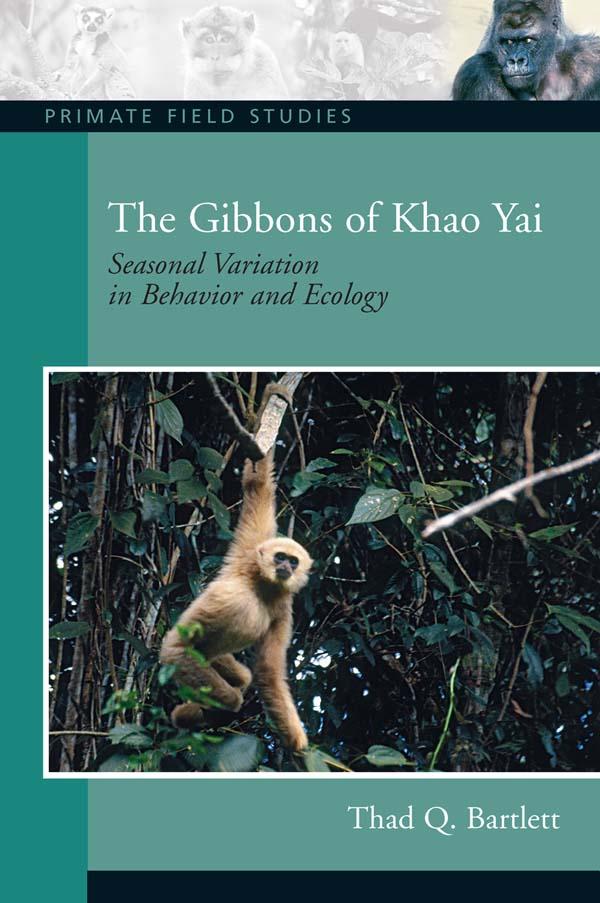
Primatologists have long viewed small fruiting trees, like figs, as the reason for gibbons’ territorial and monogamous behavior. However, at Khao Yai National Park in Thailand where gibbons are prevalent, figs are one of the largest trees in the forest. In this long-term field study, Bartlett takes up this apparent contradiction, and follows gibbons as their major food sources wax and wane over time.This is an important reference on gibbons and the study of small apes which provides a thorough, expansive coverage of the relationship between fruit abundance and diet, range use, and intergroup interactions in Gibbon apes. The Gibbons of Khao Yai: Seasonal Variation in Behavior and Ecology provides an essential resource for students conducting research in this field.
Pay easily by card, Klarna, Apple Pay or Google Pay. Not happy? You always have a 14-day money-back guarantee. Read more in our terms. If you have any questions, email us at hello@memmo.org.
Memmo makes studying easier – wherever you are in the world. We bring your course books and smart study tools together in one place: summaries, quizzes, podcasts and flashcards. Plus Ted, your study buddy who answers anything you wonder. Over 50,000 students already study here – built to help you learn faster and stress less.