
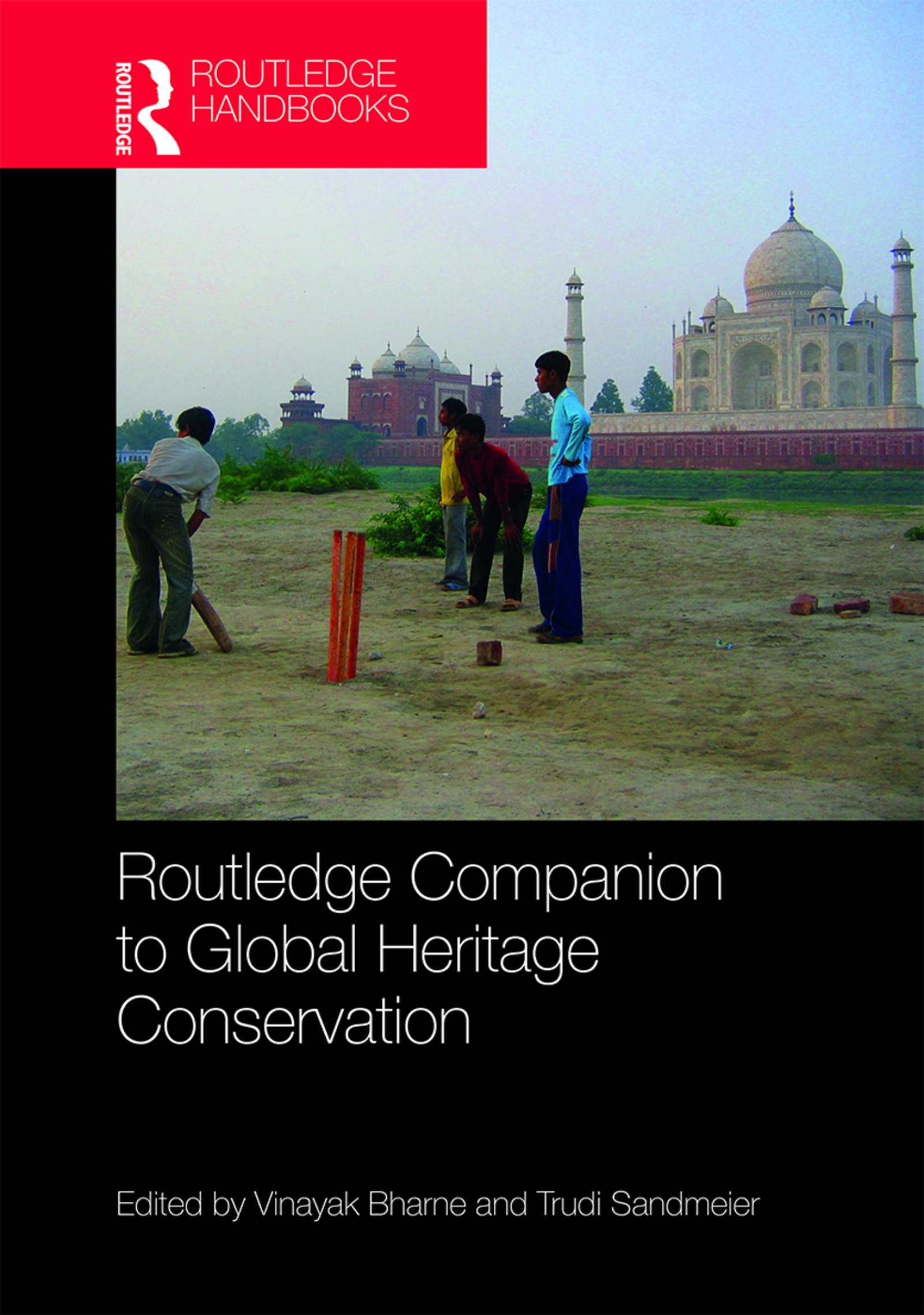
The act of identifying, protecting, restoring, and reusing buildings, districts, and built landscapes of historic and cultural significance is, at its best, a reflective and consequential process of urban and socio-economic reform. It has the potential to reconcile conflicting memories, meanings, and cultural tensions, bridging and expanding the perceived boundaries of multiple disciplines towards bigger aspirations of city-making and social justice.
How and where do such aspirations overlap and differ across nations and societies across the world? In places with different histories, governance structures, regulatory stringency, and populist dispositions, who are the specific players, and what are the actual processes that bring about bigger and deeper change beyond just the conservation of an architectural or urban entity of perceived value?
This collection of scholarly articles by theorists, academics, and practitioners explores the global complexity, guises, and potential of heritage conservation. Going from Tokyo to Cairo, Shenzhen to Rome, and Delhi to Moscow, this volume examines a vast range of topics – indigenous habitats, urban cores, vernacular infrastructure, colonial towns, squatters, burial sites, war zones, and modern landmarks. It surfaces numerous inherent issues – water stress, deforestation, social oppression, poverty, religion, immigration, and polity, expanding the definitions of heritage conservation as both a professional discipline and socio-cultural catalyst. This book argues that the intellectual and praxis limits of heritage conservation – as the agency of reading, defining, and intervening with built heritage – can be expansive, aimed at bigger positive change beyond a specific subject or object; plural, enmeshed with multiple fields and specializations; and empathetic, born from the actual socio-political realities of a place.
Pay easily by card, Klarna, Apple Pay or Google Pay. Not happy? You always have a 14-day money-back guarantee. Read more in our terms. If you have any questions, email us at hello@memmo.org.
Memmo makes studying easier – wherever you are in the world. We bring your course books and smart study tools together in one place: summaries, quizzes, podcasts and flashcards. Plus Ted, your study buddy who answers anything you wonder. Over 75,000 students already study here – built to help you learn faster and stress less.