
The Nixon or Guam Doctrine of 1969 stressed the importance of progress towards regional cooperation and Asian collective security, indicating that Asian countries themselves should take the initiative in creating programs in which the United States could participate.
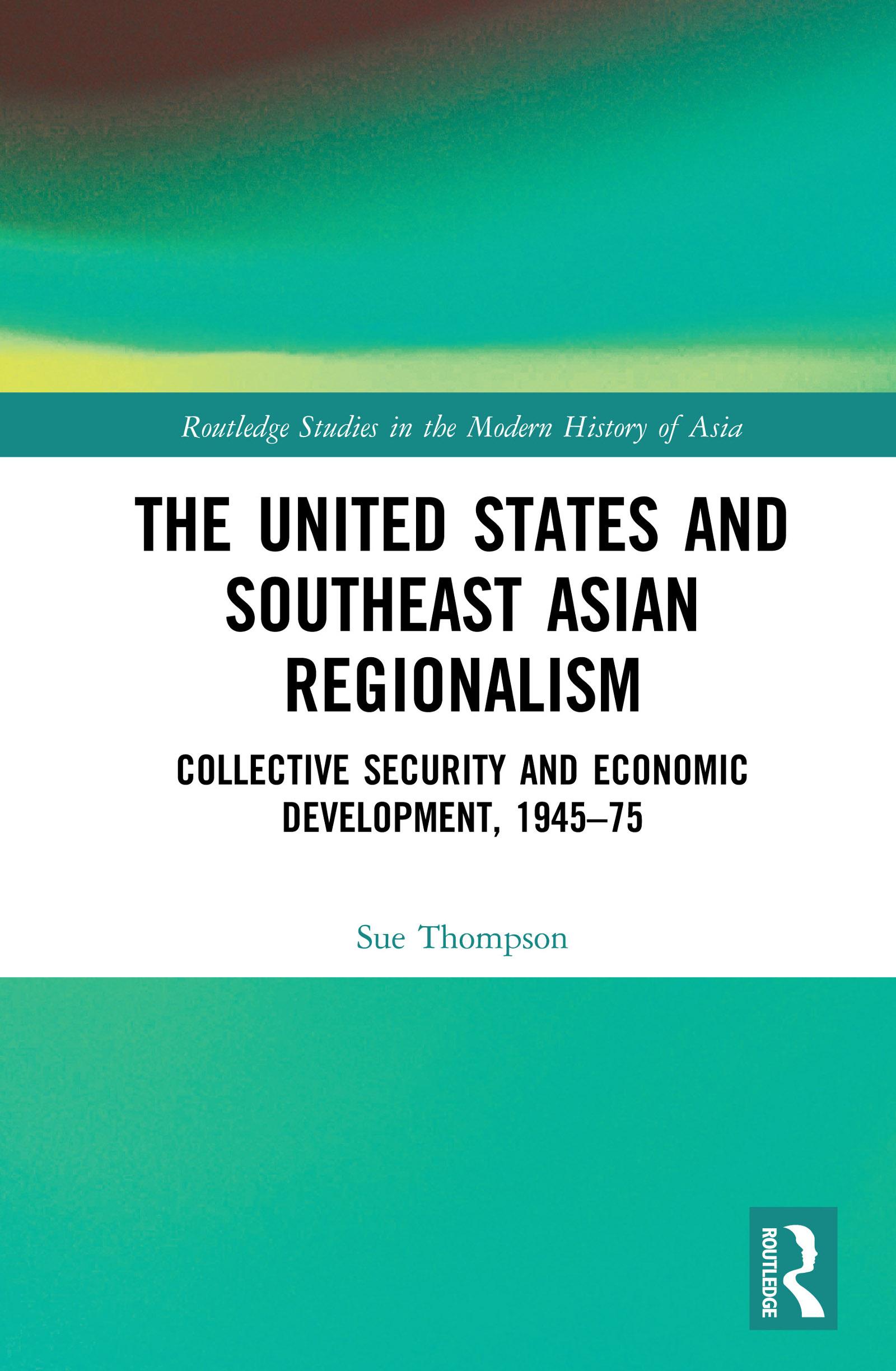
This book analyses the development of United States regional cooperation policy on Southeast Asia and its importance to long-term planning for the region that had been the general aim of successive American post-war administrations. The author demonstrates the link between economic regional cooperation and collective security in Southeast Asia, placing regionalism in an international context by examining the influence United States policy and various important events had on the development of Southeast Asian regionalism. Through the analysis of primary material, including previously classified material, in the United States, the United Kingdom, and Australia and engagement with historiography of war and peace in Southeast Asia, the book puts forward the argument that Southeast Asian regional cooperation was influenced by both American and Asian policy and its development reflected the economic and political transformation of the post-war Southeast Asian landscape. It also examines the developments in British and Australian policy and how developments in Southeast Asia influenced and, in turn, were affected by the policies of the Western powers.
Adding to the current discourse concerning the origins of Southeast Asian regionalism, this book will be of interest to academics in the field of Southeast Asian studies, United States political history, international relations and regionalism.
Pay easily by card, Klarna, Apple Pay or Google Pay. Not happy? You always have a 14-day money-back guarantee. Read more in our terms. If you have any questions, email us at hello@memmo.org.
Memmo makes studying easier – wherever you are in the world. We bring your course books and smart study tools together in one place: summaries, quizzes, podcasts and flashcards. Plus Ted, your study buddy who answers anything you wonder. Over 50,000 students already study here – built to help you learn faster and stress less.