
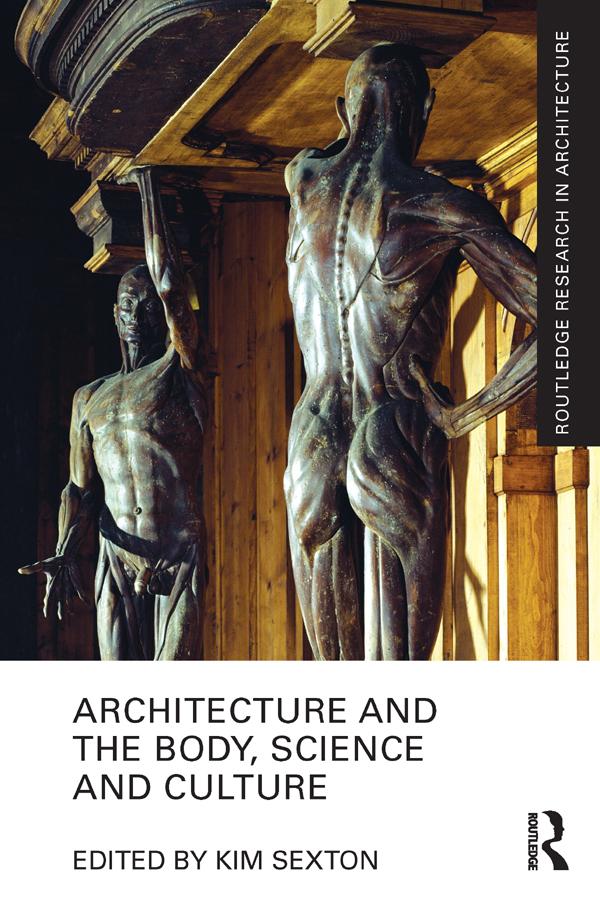
The relationship of architecture to the human body is a centuries-long and complex one, but not always symmetrical. This book opens a space for historians of the visual arts, archaeologists, architects, and digital humanities professionals to reflect upon embodiment, spatiality, science, and architecture in premodern and modern cultural contexts.
Architecture and the Body, Science and Culture poses one overarching question: How does a period’s understanding of bodies as objects of science impinge upon architectural thought and design? The answers are sophisticated, interdisciplinary explorations of theory, technology, symbolism, medicine, violence, psychology, deformity, and salvation, and they have unexpected and fascinating implications for architectural design and history. The new research published in this volume reinvigorates the Western survey-style trajectory from Archaic Greece to post‐war Europe with scientifically‐framed, body‐centred provocations.
By adding the third factor—science—to the architecture and body equation, this book presents a nuanced appreciation for architectural creativity and its embeddedness in other sets of social, institutional and political relationships. In so doing, it spatializes body theory and ties it to the experience of the built environment in ways that disturb traditional boundaries between the architectural container and the corporeally contained.
Pay easily by card, Klarna, Apple Pay or Google Pay. Not happy? You always have a 14-day money-back guarantee. Read more in our terms. If you have any questions, email us at hello@memmo.org.
Memmo makes studying easier – wherever you are in the world. We bring your course books and smart study tools together in one place: summaries, quizzes, podcasts and flashcards. Plus Ted, your study buddy who answers anything you wonder. Over 75,000 students already study here – built to help you learn faster and stress less.