
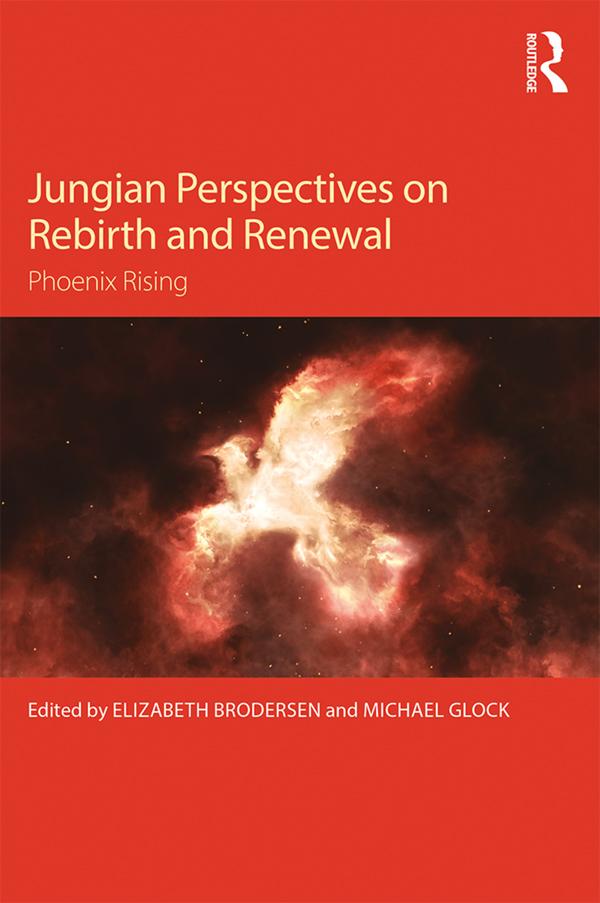
Jungian Perspectives on Rebirth and Renewal brings together an international selection of contributors on the themes of rebirth and renewal. With their emphasis on evolutionary ancestral memories, creation myths and dreams, the chapters in this collection explore the indigenous and primordial bases of these concepts.
Presented in eight parts, the book elucidates the importance of indirect, associative, mythological thinking within Jungian psychology and the efficacy of working with images as symbols to access unconscious creative processes. Part I begins with a comparative study of the significance of the phoenix as symbol, including its image as Jung’s family crest. Part II focuses on Native American indigenous beliefs about the transformative power of nature. Part III examines synchronistic symbols as liminal place/space, where the relationship between the psyche and place enables a co-evolution of the psyche of the land. Part IV presents Jung’s travels in India and the spiritual influence of Indian indigenous beliefs had on his work. Part V expands on the rebirth of the feminine as a dynamic, independent force. Part VI analyses ancestral memories evoked by the phoenix image, exploring archetypal narratives of infancy. Part VII focuses on eco-psychological, synchronistic carriers of death, rebirth and renewal through mythic characterisations. Finally, part VIII explores the mythopoetic, visionary dimensions of rebirth and renewal that give literary expression to indigenous people/primordial psyche re-navigated through popular literature. The chapters both mirror and synchronise a rebirth of Jungian and non-Jungian academic interest in indigenous peoples, creation myths, oral traditions and narrative dialogue as the ‘primordial psyche’ worldwide, and the book includes one chapter supplemented by an online video.
This collection will be inspiring reading for academics and students of analytical psychology, Jungian and post-Jungian studies and mythology, as well as analytical psychologists, Jungian analysts and Jungian psychotherapists.
To access the online video which accompanies Evangeline Rand's chapter, please request a password at
http://www.evangelinerand.com/life_threads_orissa_awakenings.html
Pay easily by card, Klarna, Apple Pay or Google Pay. Not happy? You always have a 14-day money-back guarantee. Read more in our terms. If you have any questions, email us at hello@memmo.org.
Memmo makes studying easier – wherever you are in the world. We bring your course books and smart study tools together in one place: summaries, quizzes, podcasts and flashcards. Plus Ted, your study buddy who answers anything you wonder. Over 50,000 students already study here – built to help you learn faster and stress less.