
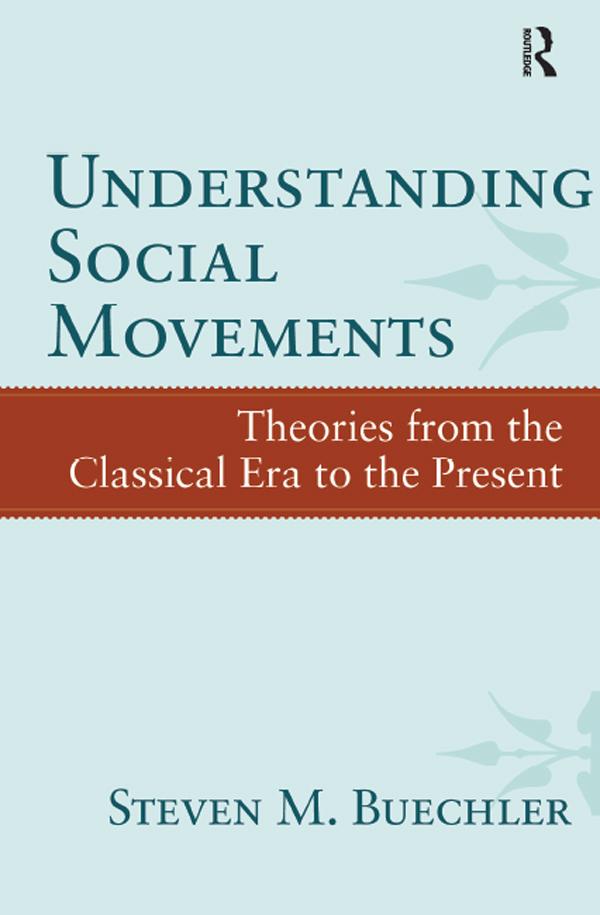
In thirteen succinct chapters, Buechler traces movement theories from the classical era of sociology to the most recent examples of transnational activism. He identifies the socio-historical context, central concepts, and guiding logic of diverse movement theories, with emphasis on: Comparisons of Marx and Lenin; Weber and Michels; and Durkheim and LeBon The Chicago School of the inter-war period The political-sociological approaches of the 1950s The varieties of strain and breakdown theories at the dawn of the 1960s Major paradigm shifts caused by the cascade of 1960s social movements Vivid examples of movements worldwide and coverage of all major theorists Critiques, debates, and proposed syntheses dominating the turn of the 21st century Recent trends (such as cyberactivism and transnational movements) and their theoretical implications"
Pay easily by card, Klarna, Apple Pay or Google Pay. Not happy? You always have a 14-day money-back guarantee. Read more in our terms. If you have any questions, email us at hello@memmo.org.
Memmo makes studying easier – wherever you are in the world. We bring your course books and smart study tools together in one place: summaries, quizzes, podcasts and flashcards. Plus Ted, your study buddy who answers anything you wonder. Over 50,000 students already study here – built to help you learn faster and stress less.
You might also like
Buy the book0