
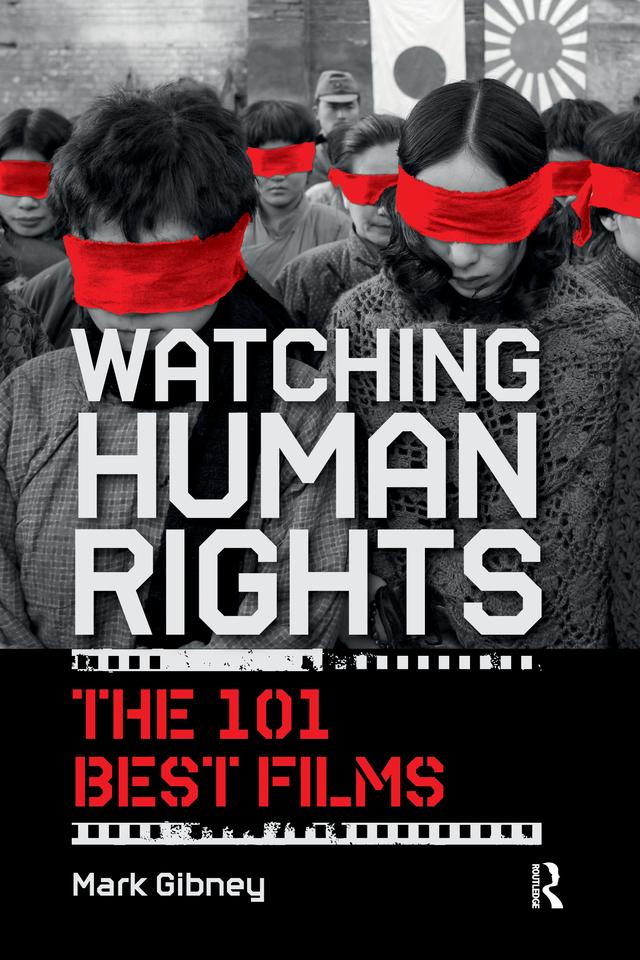
In order to be able to protect human rights, it is first necessary to see the denial of those rights. Aside from experiencing human rights violations directly, either as a victim or as an eyewitness, more than any other medium film is able to bring us closer to this aspect of the human experience. Yet, notwithstanding its importance to human rights, film has received virtually no scholarly attention and thus one of the primary goals of this book is to begin to fill this gap. From an historical perspective, human rights were not at all self-evident by reason alone, but had to gain standing through an appeal to human emotions found in novels as well as in works of moral philosophy and legal theory. Although literature continues to play an important role in the human rights project, film is able to take us that much further, by universalizing the particular experience of others different from ourselves, the viewers. Watching Human Rights analyzes more than 100 of the finest human rights films ever made-documentaries, feature films, faux documentaries, animations, and even cartoons. It will introduce the reader to a wealth of films that might otherwise remain unknown, but it also shows the human rights themes in films that all of us are familiar with.
Pay easily by card, Klarna, Apple Pay or Google Pay. Not happy? You always have a 14-day money-back guarantee. Read more in our terms. If you have any questions, email us at hello@memmo.org.
Memmo makes studying easier – wherever you are in the world. We bring your course books and smart study tools together in one place: summaries, quizzes, podcasts and flashcards. Plus Ted, your study buddy who answers anything you wonder. Over 50,000 students already study here – built to help you learn faster and stress less.
You might also like
Buy the book0