
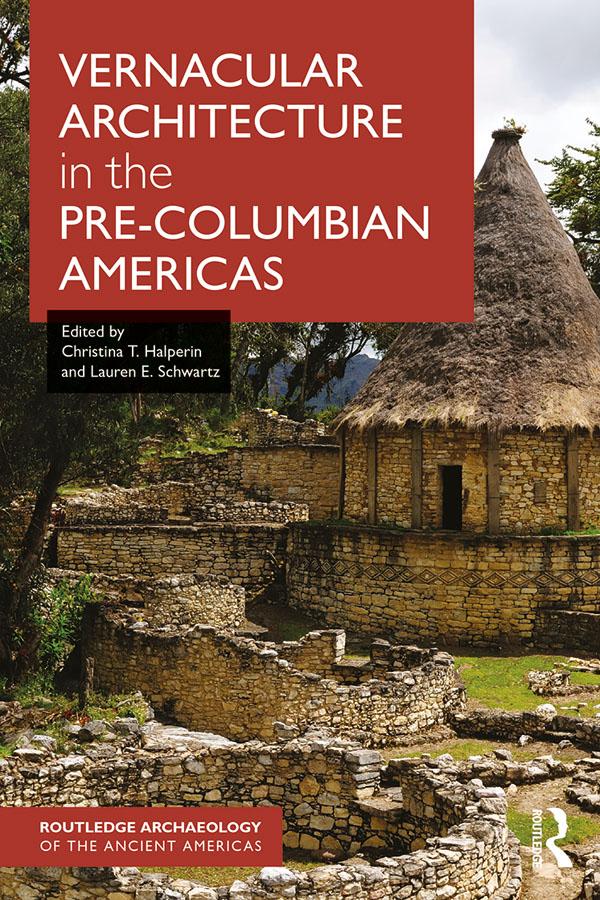
Vernacular Architecture in the Pre-Columbian Americas reveals the dynamism of the ancient past, where social relations and long-term history were created posthole by posthole, brick by brick. This collection shifts attention away from the elite and monumental architectural traditions of the region to instead investigate the creativity, subtlety and variability of common architecture and the people who built and dwelled in them. At the heart of this study of vernacular architecture is an emphasis on ordinary people and their built environments, and how these everyday spaces were pivotal in the making and meaning of social and cultural dynamics.
Providing a deeper and more nuanced temporal perspective of common buildings in the Americas, the editors have deftly framed a study that highlights sociocultural diversity while at the same time facilitating broader comparative conversations around the theme of vernacular architecture. With diverse case studies covering a broad range of periods and regions, Vernacular Architecture in the Pre-Columbian Americas is an important addition to the growing body of scholarship on the indigenous architecture of the Americas and is a key contribution to our archaeological understandings of past built environments.
Pay easily by card, Klarna, Apple Pay or Google Pay. Not happy? You always have a 14-day money-back guarantee. Read more in our terms. If you have any questions, email us at hello@memmo.org.
Memmo makes studying easier – wherever you are in the world. We bring your course books and smart study tools together in one place: summaries, quizzes, podcasts and flashcards. Plus Ted, your study buddy who answers anything you wonder. Over 75,000 students already study here – built to help you learn faster and stress less.