
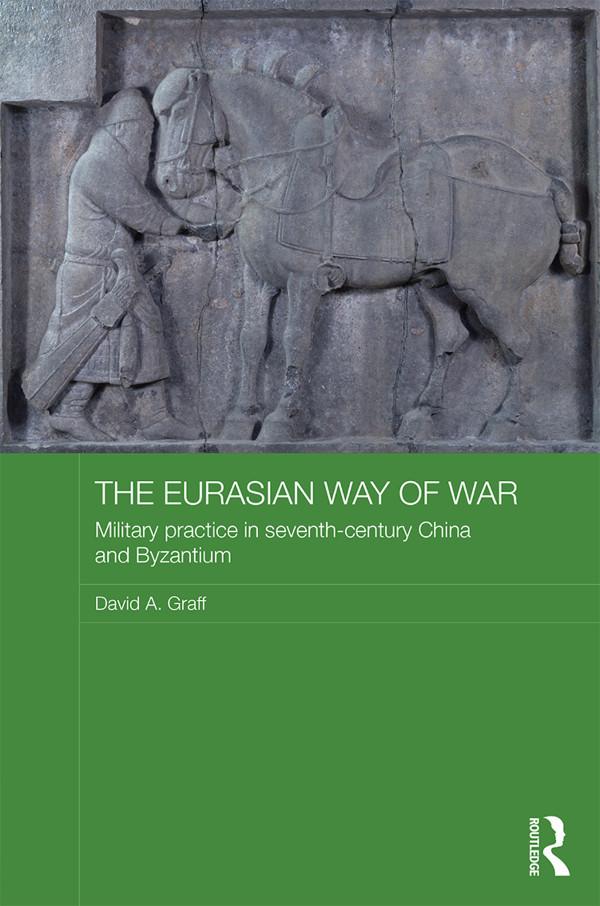
This book is a comparative study of military practice in Sui-Tang China and the Byzantine Empire between approximately 600 and 700 CE. It covers all aspects of the military art from weapons and battlefield tactics to logistics, campaign organization, military institutions, and the grand strategy of empire. Whilst not neglecting the many differences between the Chinese and Byzantines, this book highlights the striking similarities in their organizational structures, tactical deployments and above all their extremely cautious approach to warfare. It shows that, contrary to the conventional wisdom positing a straightforward Western way of war and an "Oriental" approach characterized by evasion and trickery, the specifics of Byzantine military practice in the seventh century differed very little from what was known in Tang China. It argues that these similarities cannot be explained by diffusion or shared cultural influences, which were limited, but instead by the need to deal with common problems and confront common enemies, in particular the nomadic peoples of the Eurasian steppes. Overall, this book provides compelling evidence that pragmatic needs may have more influence than deep cultural imperatives in determining a society’s "way of war."
Pay easily by card, Klarna, Apple Pay or Google Pay. Not happy? You always have a 14-day money-back guarantee. Read more in our terms. If you have any questions, email us at hello@memmo.org.
Memmo makes studying easier – wherever you are in the world. We bring your course books and smart study tools together in one place: summaries, quizzes, podcasts and flashcards. Plus Ted, your study buddy who answers anything you wonder. Over 50,000 students already study here – built to help you learn faster and stress less.