
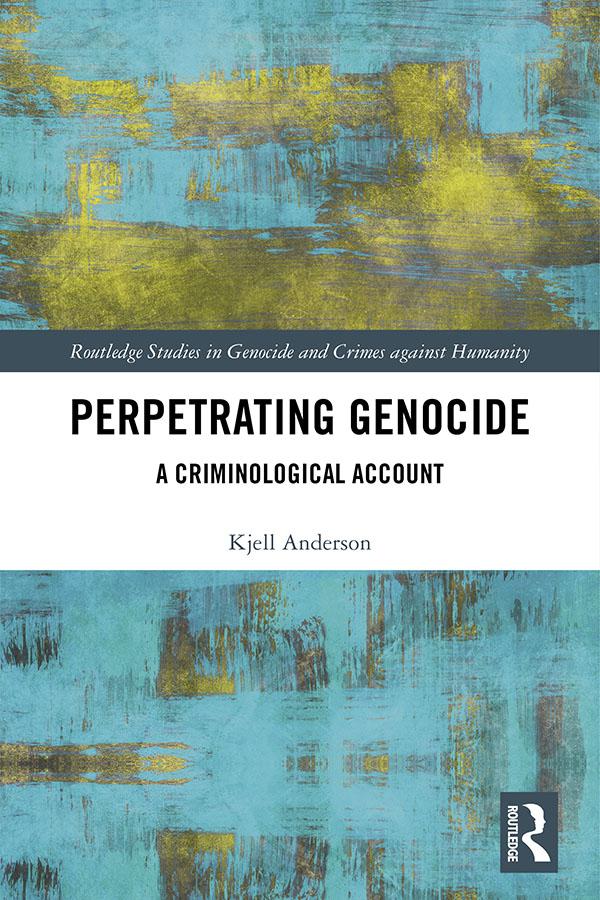
Focusing on the relationship between the micro level of perpetrator motivation and the macro level normative discourse, this book offers an in-depth explanation for the perpetration of genocide. It is the first comparative criminological treatment of genocide drawn from original field research, based substantially on the author’s interviews with perpetrators and victims of genocide and mass atrocities, combined with wide-ranging secondary and archival sources. Topics covered include: perpetration in organizations, genocidal propaganda, the characteristics of perpetrators, decision-making in genocide, genocidal mobilization, coping with killing, perpetrator memory and trauma, moral rationalization, and transitional justice.
An interdisciplinary and comparative analysis, this book utilizes scientific methods with the objective of gaining some degree of insight into the causes of genocide and genocide perpetration. It is argued that genocide is more than a mere intellectual abstraction – it is a crime with real consequences and real victims. Abstraction and objectivity may be intellectual ideals but they are not ideally humane; genocide is ultimately about the destruction of humanity. Thus, this book avoids presenting an overly abstract image of genocide, but rather grounds its analysis in interviews with victims and perpetrators of genocide in Rwanda, Burundi, Uganda, Bosnia, Cambodia, Bangladesh, and Iraq.
This book will be highly useful to students and scholars with an interest in genocide and the causes of mass violence. It will also be of interest to policy-makers engaged with the issues of genocide and conflict prevention.
Pay easily by card, Klarna, Apple Pay or Google Pay. Not happy? You always have a 14-day money-back guarantee. Read more in our terms. If you have any questions, email us at hello@memmo.org.
Memmo makes studying easier – wherever you are in the world. We bring your course books and smart study tools together in one place: summaries, quizzes, podcasts and flashcards. Plus Ted, your study buddy who answers anything you wonder. Over 50,000 students already study here – built to help you learn faster and stress less.