
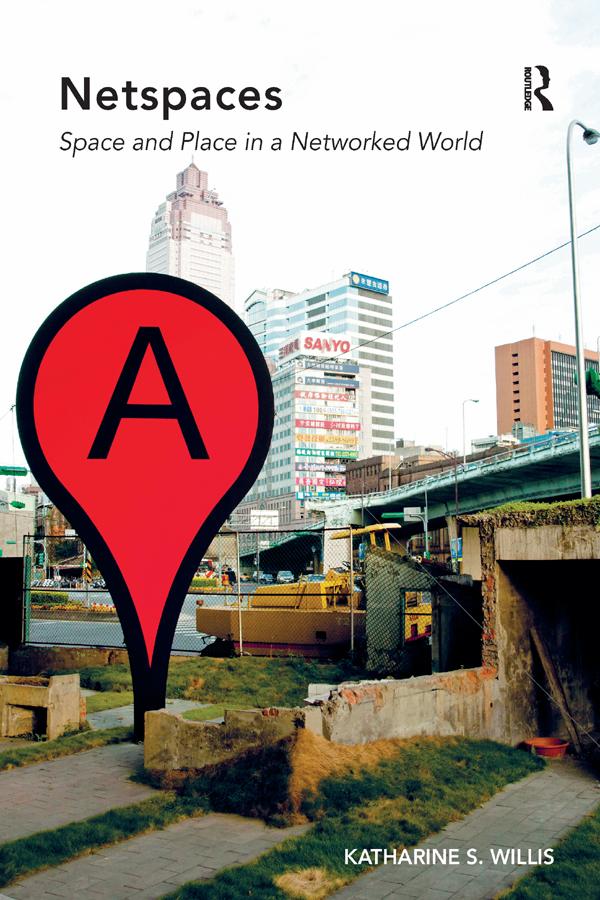
The focus of this book is on understanding and explaining the way that our increasingly networked world impacts on the legibility of cities; that is how we experience and inhabit urban space. It reflects on the nature of the spatial effects of the networked and mediated world; from mobile phones and satnavs to data centres and wifi nodes and discusses how these change the very nature of urban space. It proposes that netspaces are the spaces that emerge at the interchange between the built world and the space of the network. It aims to be a timely volume for both architectural, urban design and media practitioners in understanding and working with the fundamental changes in built space due to the ubiquity of networks and media. This book argues that there needs to be a much better understanding of how networks affect the way we inhabit urban space. The volume defines five characteristics of netspaces and defines in detail the way that the spatial form of the city is affected by changing practices of networked world. It draws on theoretical approaches and contextualises the discussion with empirical case studies to illustrate the changes taking place in urban space. This readable and engaging text will be a valuable resource for architects, urban designers, planners and sociologists for understanding how of networks and media are creating significant changes to urban space and the resulting implications for the design of cities.
Pay easily by card, Klarna, Apple Pay or Google Pay. Not happy? You always have a 14-day money-back guarantee. Read more in our terms. If you have any questions, email us at hello@memmo.org.
Memmo makes studying easier – wherever you are in the world. We bring your course books and smart study tools together in one place: summaries, quizzes, podcasts and flashcards. Plus Ted, your study buddy who answers anything you wonder. Over 75,000 students already study here – built to help you learn faster and stress less.
You might also like
Buy the book0