
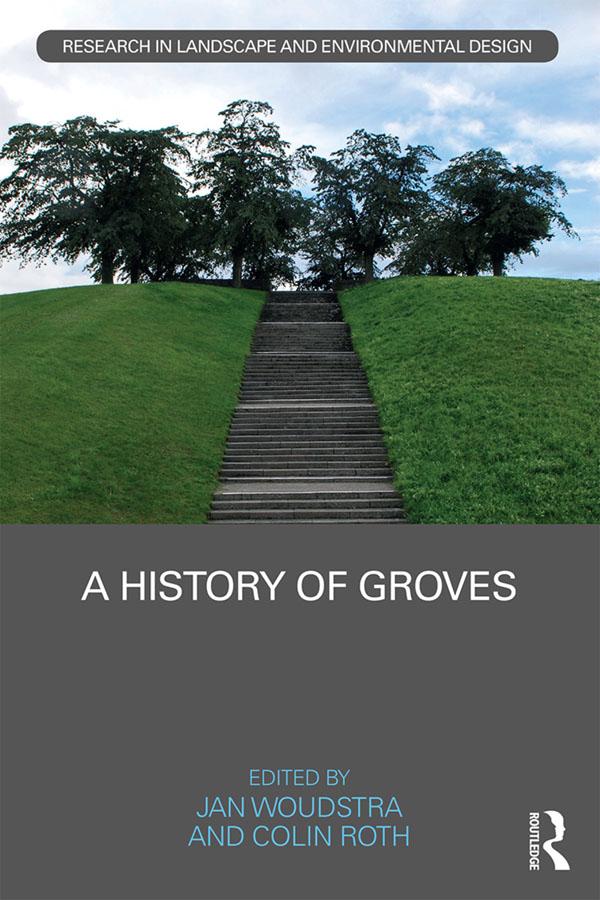
The grove, a grouping of trees, intentionally cultivated or found growing wild, has a long diverse history entwined with human settlement, rural practices and the culture and politics of cities. A grove can be a memorial, a place of learning, a site of poetic retreat and philosophy or political encampment, a public park or theatre, a place of hidden pleasures, a symbol of a vanished forest ecology, or a place of gods or other spirits. Yet groves are largely absent from our contemporary vocabulary and rarely included in today’s landscape practice, whether urban or rural. Groves are both literal and metaphorical manifestations, ways of defining spaces and ecologies in our cultural life. Since they can add meaning to urban forms and ecologies and contribute meaningfully to the significance of place, critical examination is long overdue. The editors have taken care to ensure that the text is accessible to the general reader as well as specialists.
Pay easily by card, Klarna, Apple Pay or Google Pay. Not happy? You always have a 14-day money-back guarantee. Read more in our terms. If you have any questions, email us at hello@memmo.org.
Memmo makes studying easier – wherever you are in the world. We bring your course books and smart study tools together in one place: summaries, quizzes, podcasts and flashcards. Plus Ted, your study buddy who answers anything you wonder. Over 75,000 students already study here – built to help you learn faster and stress less.