
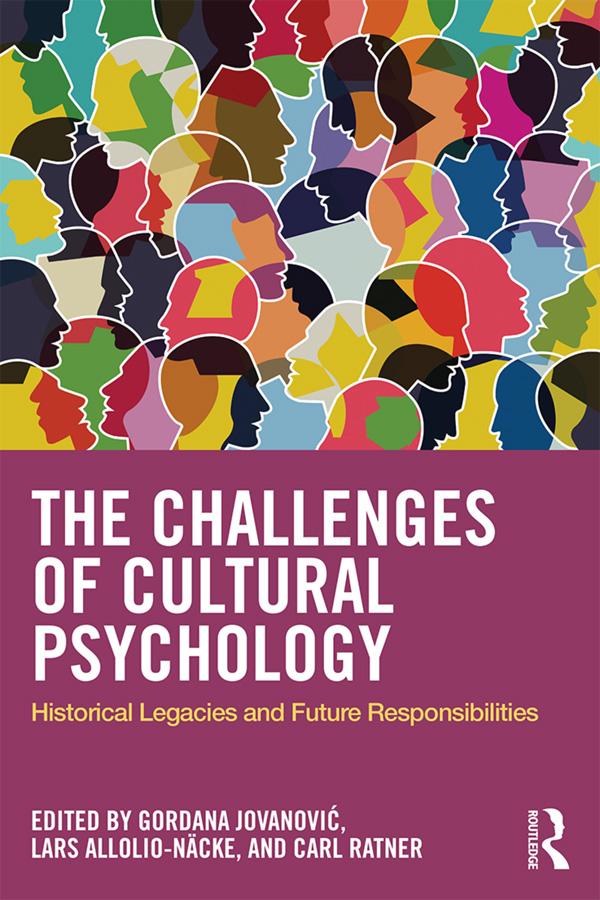
This book considers cultural psychology from historical, theoretical, and epistemological perspectives, building an understanding of cultural psychology as a human science and moving beyond the nature-culture dichotomy. The unique collection of chapters seeks to advance the field of cultural psychology by reviving its historical legacies and arguing for its social responsibility in future historical developments.
It considers European legacies for cultural psychology as developed by leading figures such as Giambattista Vico, Wilhelm Wundt, Wilhelm Dilthey, and Ernst Cassirer in order to provide insights into a long tradition of thinking from a cultural psychology perspective. The book discusses historical pathways in the rise and repression of cultural psychology and its different historical forms, arguing for the necessity of decolonizing psychology, securing a place for culture in it, and developing an epistemology suited to humankind’s meaning-making processes in mutual shaping of psyche and culture. It provides an integrative and historical understanding of the subject and uses the diversity and heterogeneity within the field to offer critical reflections on its achievements. The thoroughly international group of contributors brings diverse analyses of self, body, emotions, culture, and society and considers the future of cultural psychology.
The volume is a stimulating read for scholars and students of cultural and theoretical psychology and related areas including philosophy, anthropology, and history.
Pay easily by card, Klarna, Apple Pay or Google Pay. Not happy? You always have a 14-day money-back guarantee. Read more in our terms. If you have any questions, email us at hello@memmo.org.
Memmo makes studying easier – wherever you are in the world. We bring your course books and smart study tools together in one place: summaries, quizzes, podcasts and flashcards. Plus Ted, your study buddy who answers anything you wonder. Over 50,000 students already study here – built to help you learn faster and stress less.