
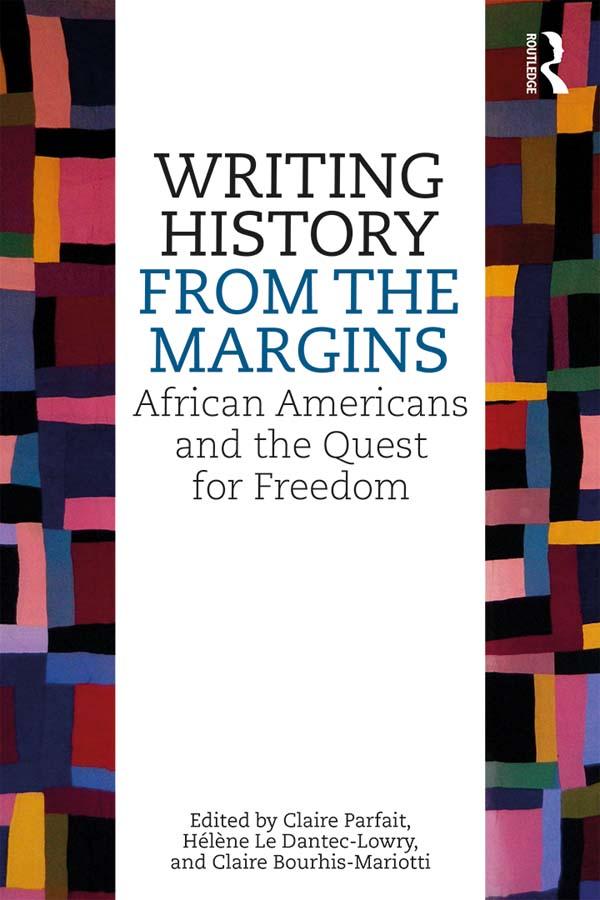
With contributions from leading American and European scholars, this collection of original essays surveys the actors and the modes of writing history from the "margins" of society, focusing specifically on African Americans.
Nearly 100 years after The Journal of Negro History was founded, this book assesses the legacy of the African American historians, mostly amateur historians initially, who wrote the history of their community between the 1830s and World War II. Subsequently, the growth of the civil rights movement further changed historical paradigms--and the place of African Americans and that of black writers in publishing and in the historical profession. Through slavery and segregation, self-educated and formally educated Blacks wrote works of history, often in order to inscribe African Americans within the main historical narrative of the nation, with a two-fold objective: to make African Americans proud of their past and to enable them to fight against white prejudice.
Over the past decade, historians have turned to the study of these pioneers, but a number of issues remain to be considered. This anthology will contribute to answering several key questions concerning who published these books, and how were they distributed, read, and received. Little has been written concerning what they reveal about the construction of professional history in the nineteenth century when examined in relation to other writings by Euro-Americans working in an academic setting or as independent researchers.
Pay easily by card, Klarna, Apple Pay or Google Pay. Not happy? You always have a 14-day money-back guarantee. Read more in our terms. If you have any questions, email us at hello@memmo.org.
Memmo makes studying easier – wherever you are in the world. We bring your course books and smart study tools together in one place: summaries, quizzes, podcasts and flashcards. Plus Ted, your study buddy who answers anything you wonder. Over 50,000 students already study here – built to help you learn faster and stress less.