
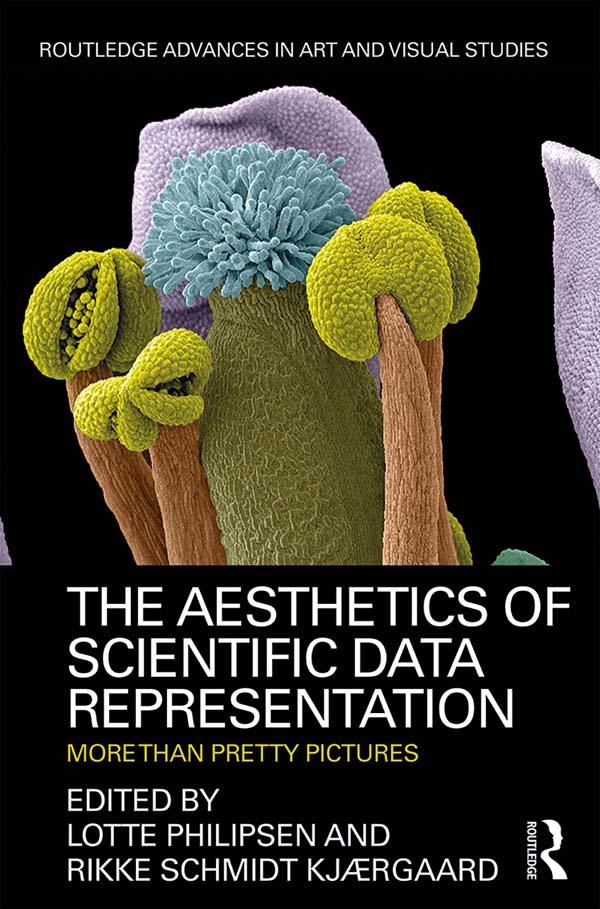
How can cartoon images aid in understanding bacterial biological processes? What prompts physicists to blur their images before showing them to biologists? Considering that the astronomer’s data consists solely of invisible, electric impulses, what is the difference between representing outer space as images, graphs, or sound? How does a work of contemporary art differ from a scientific image if we cannot visually distinguish between the two? How do aesthetics, art, and design influence scientific visualization and vice versa? This volume asks critically important questions about scientific data representation and provides significant insights to a field that is interdisciplinary in its very core. The authors investigate scientific data representation through the joint optics of the humanities and natural sciences. The volume particularly appeals to scholars in visual and aesthetic studies, data visualization, scientific illustration, experience culture, information design, and science communication.
Pay easily by card, Klarna, Apple Pay or Google Pay. Not happy? You always have a 14-day money-back guarantee. Read more in our terms. If you have any questions, email us at hello@memmo.org.
Memmo makes studying easier – wherever you are in the world. We bring your course books and smart study tools together in one place: summaries, quizzes, podcasts and flashcards. Plus Ted, your study buddy who answers anything you wonder. Over 50,000 students already study here – built to help you learn faster and stress less.