
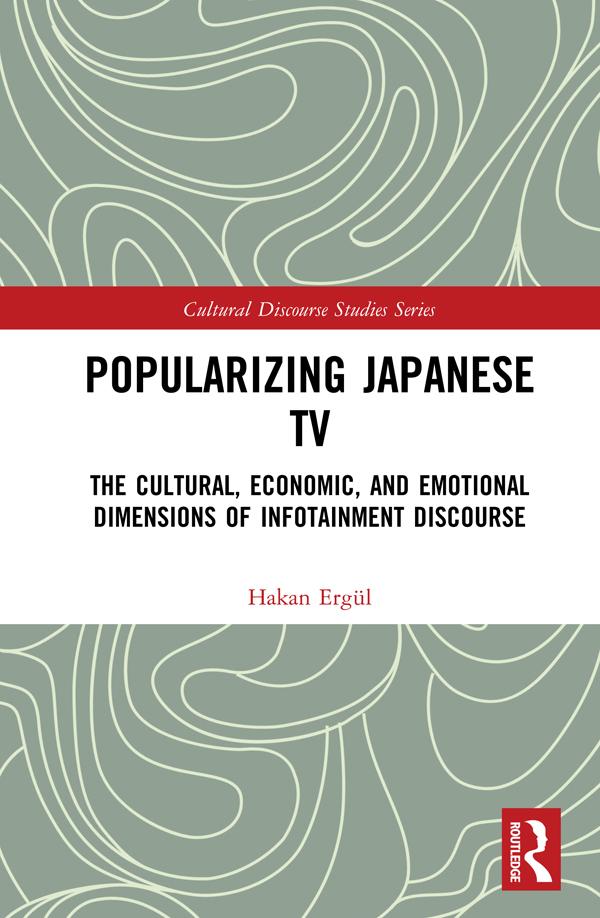
Over the past years, the view has emerged that Japanese TV is dominated by an infotainment mode of discourse. The book extends this view, detailing and interpreting the cultural, economic, and emotional dimensions of this communication phenomenon from an ethnographic perspective. It examines the complex ways in which infotainment works in an advanced capitalist society. As such, this is more than a book about Japan; it is a work that fits within media ethnography and cultural studies, and appeals to readers interested in the question of how television, at the heart of the global media stream, successfully turns into a persuasive, intimate, and powerful member of a televisual audience-family through carefully engineered televisual discourses, linguistic/non-linguistic component, audiovisual strategies, and economic and cultural elements.
Drawing on ethnographic observations in TV stations in two major cities, Sendai and Tokyo, the book reveals several essential components embedded within infotainment discourse. Thus, this book not only provides a panoramic picture of a core phenomenon in Japanese broadcasting since the 2000s but also discusses how both cultural discourses and economic considerations influence contemporary television broadcasting.
Pay easily by card, Klarna, Apple Pay or Google Pay. Not happy? You always have a 14-day money-back guarantee. Read more in our terms. If you have any questions, email us at hello@memmo.org.
Memmo makes studying easier – wherever you are in the world. We bring your course books and smart study tools together in one place: summaries, quizzes, podcasts and flashcards. Plus Ted, your study buddy who answers anything you wonder. Over 50,000 students already study here – built to help you learn faster and stress less.