
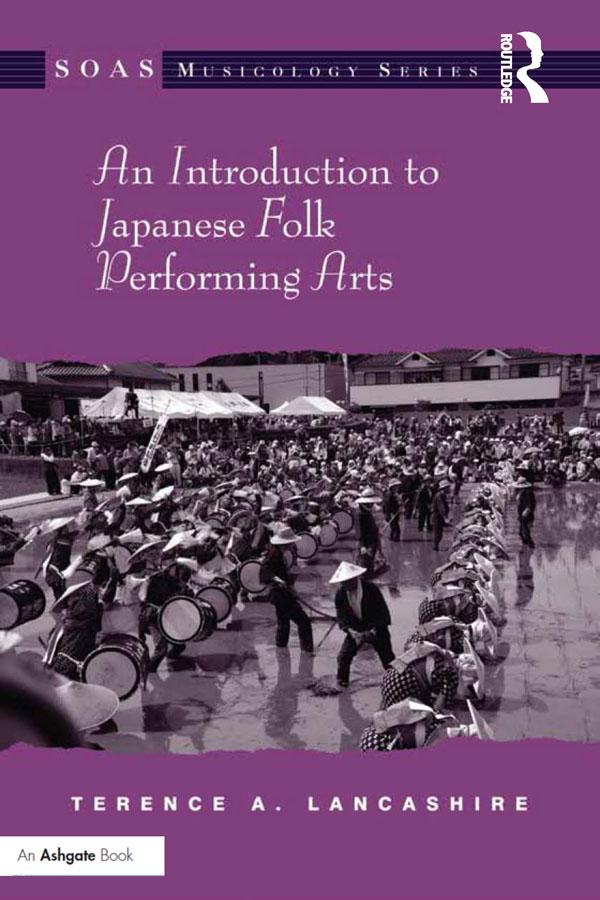
Japanese folk performing arts incorporate a body of entertainments that range from the ritual to the secular. They may be the ritual dances at Shinto shrines performed to summon and entertain deities; group dances to drive away disease-bearing spirits; or theatrical mime to portray the tenets of Buddhist teachings. These ritual entertainments can have histories of a thousand years or more and, with such histories, some have served as the inspiration for the urban entertainments of no, kabuki and bunraku puppetry. The flow of that inspiration, however, has not always been one way. Elements taken from these urban forms could also be used to enhance the appeal of ritual dance and drama. And, in time, these urban entertainments too came to be performed in rural or regional settings and today are similarly considered folk performing arts. Professor Terence Lancashire provides a valuable introductory guide to the major performance types as understood by Japanese scholars.
Pay easily by card, Klarna, Apple Pay or Google Pay. Not happy? You always have a 14-day money-back guarantee. Read more in our terms. If you have any questions, email us at hello@memmo.org.
Memmo makes studying easier – wherever you are in the world. We bring your course books and smart study tools together in one place: summaries, quizzes, podcasts and flashcards. Plus Ted, your study buddy who answers anything you wonder. Over 75,000 students already study here – built to help you learn faster and stress less.
You might also like
Buy the book0