
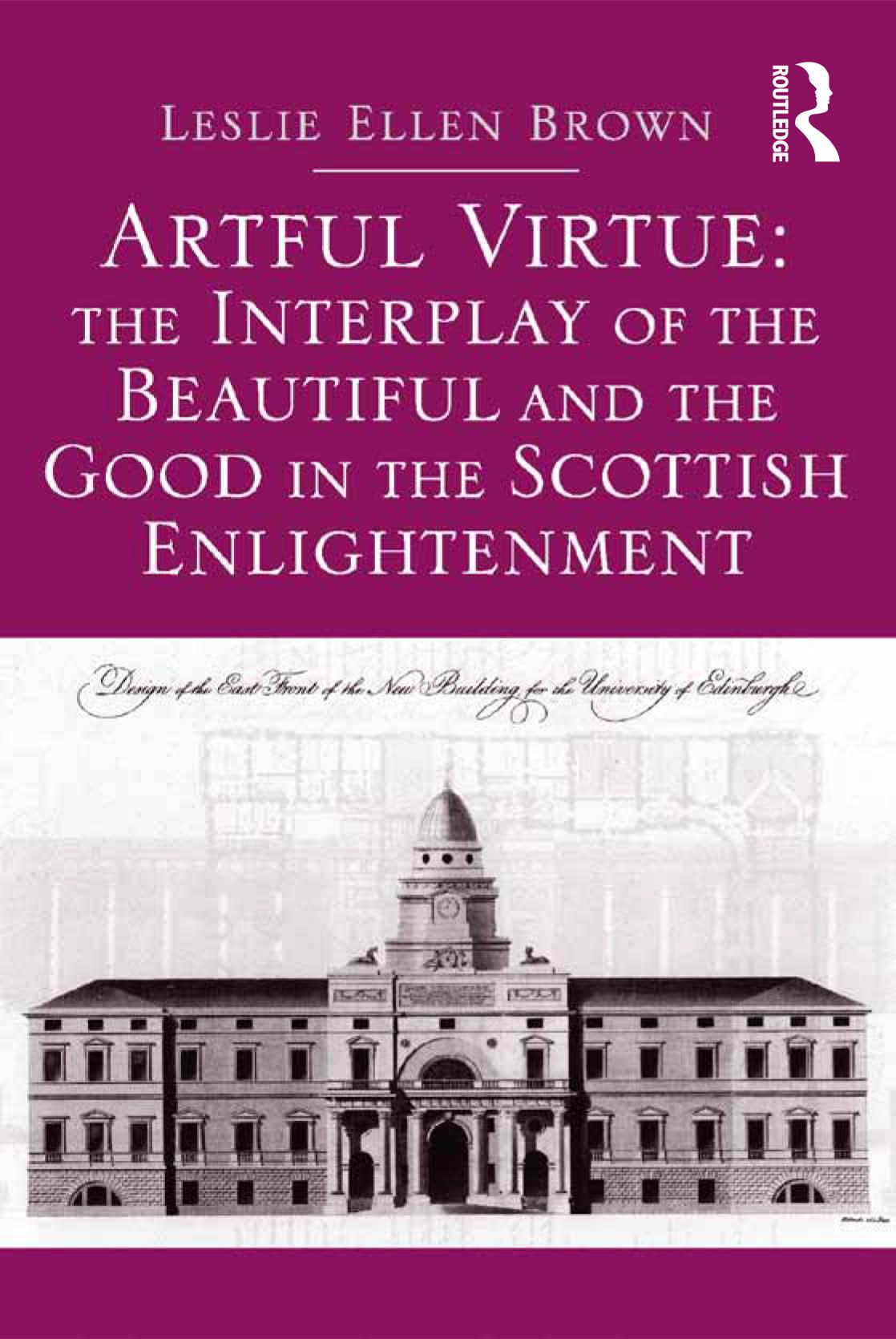
During the Scottish Enlightenment the relationship between aesthetics and ethics became deeply ingrained: beauty was the sensible manifestation of virtue; the fine arts represented the actions of a virtuous mind; to deeply understand artful and natural beauty was to identify with moral beauty; and the aesthetic experience was indispensable in making value judgments. This book reveals the history of how the Scots applied the vast landscape of moral philosophy to the specific territories of beauty - in nature, aesthetics and ethics - in the eighteenth century. The author explores a wide variety of sources, from academic lectures and institutional record, to more popular texts such as newspapers and pamphlets, to show how the idea that beauty and art made individuals and society more virtuous was elevated and understood in Scottish society.
Pay easily by card, Klarna, Apple Pay or Google Pay. Not happy? You always have a 14-day money-back guarantee. Read more in our terms. If you have any questions, email us at hello@memmo.org.
Memmo makes studying easier – wherever you are in the world. We bring your course books and smart study tools together in one place: summaries, quizzes, podcasts and flashcards. Plus Ted, your study buddy who answers anything you wonder. Over 50,000 students already study here – built to help you learn faster and stress less.
You might also like
Buy the book0