
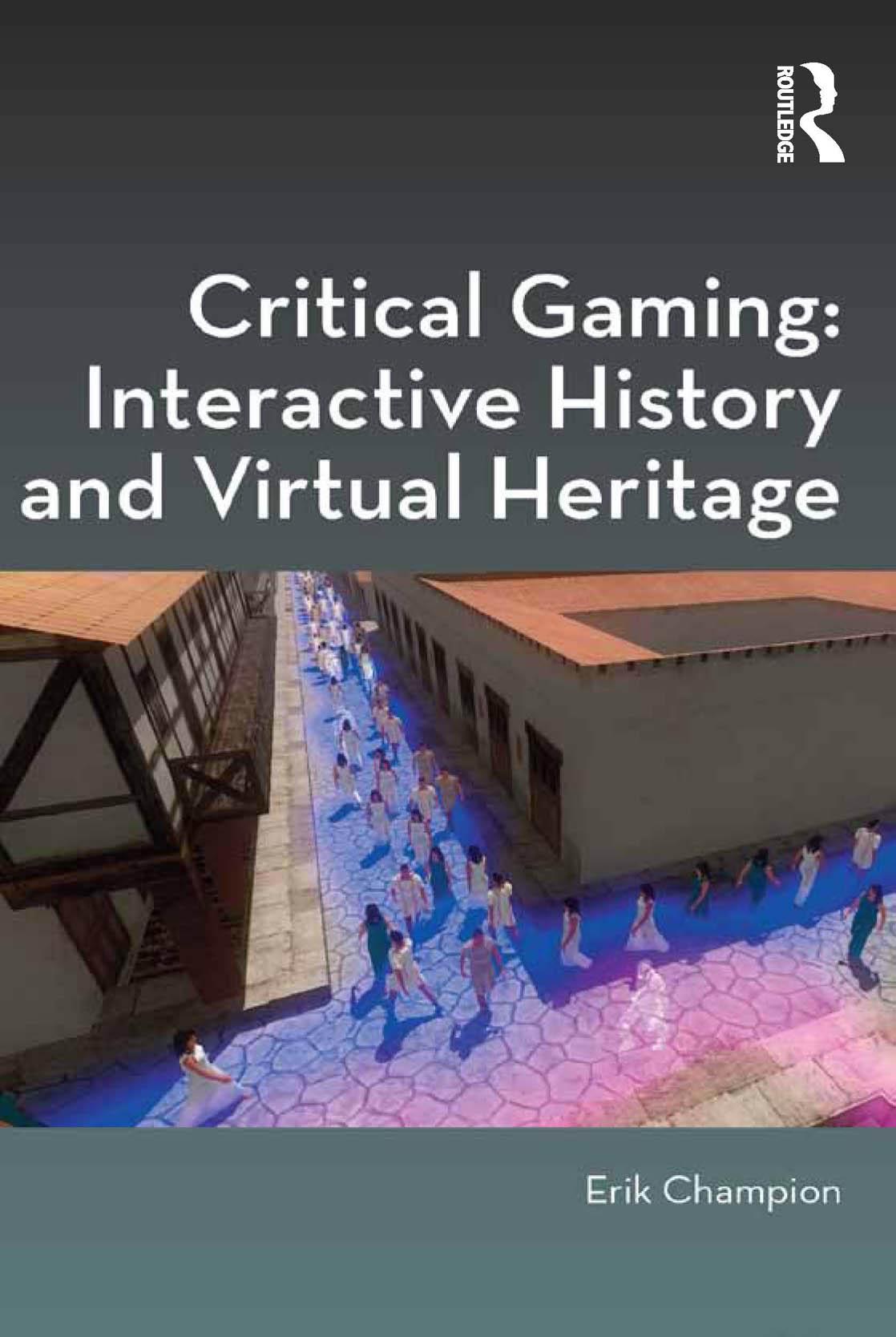
This book explains how designing, playing and modifying computer games, and understanding the theory behind them, can strengthen the area of digital humanities. This book aims to help digital humanities scholars understand both the issues and also advantages of game design, as well as encouraging them to extend the field of computer game studies, particularly in their teaching and research in the field of virtual heritage. By looking at re-occurring issues in the design, playtesting and interface of serious games and game-based learning for cultural heritage and interactive history, this book highlights the importance of visualisation and self-learning in game studies and how this can intersect with digital humanities. It also asks whether such theoretical concepts can be applied to practical learning situations. It will be of particular interest to those who wish to investigate how games and virtual environments can be used in teaching and research to critique issues and topics in the humanities, particularly in virtual heritage and interactive history.
Pay easily by card, Klarna, Apple Pay or Google Pay. Not happy? You always have a 14-day money-back guarantee. Read more in our terms. If you have any questions, email us at hello@memmo.org.
Memmo makes studying easier – wherever you are in the world. We bring your course books and smart study tools together in one place: summaries, quizzes, podcasts and flashcards. Plus Ted, your study buddy who answers anything you wonder. Over 50,000 students already study here – built to help you learn faster and stress less.
You might also like
Buy the book0