
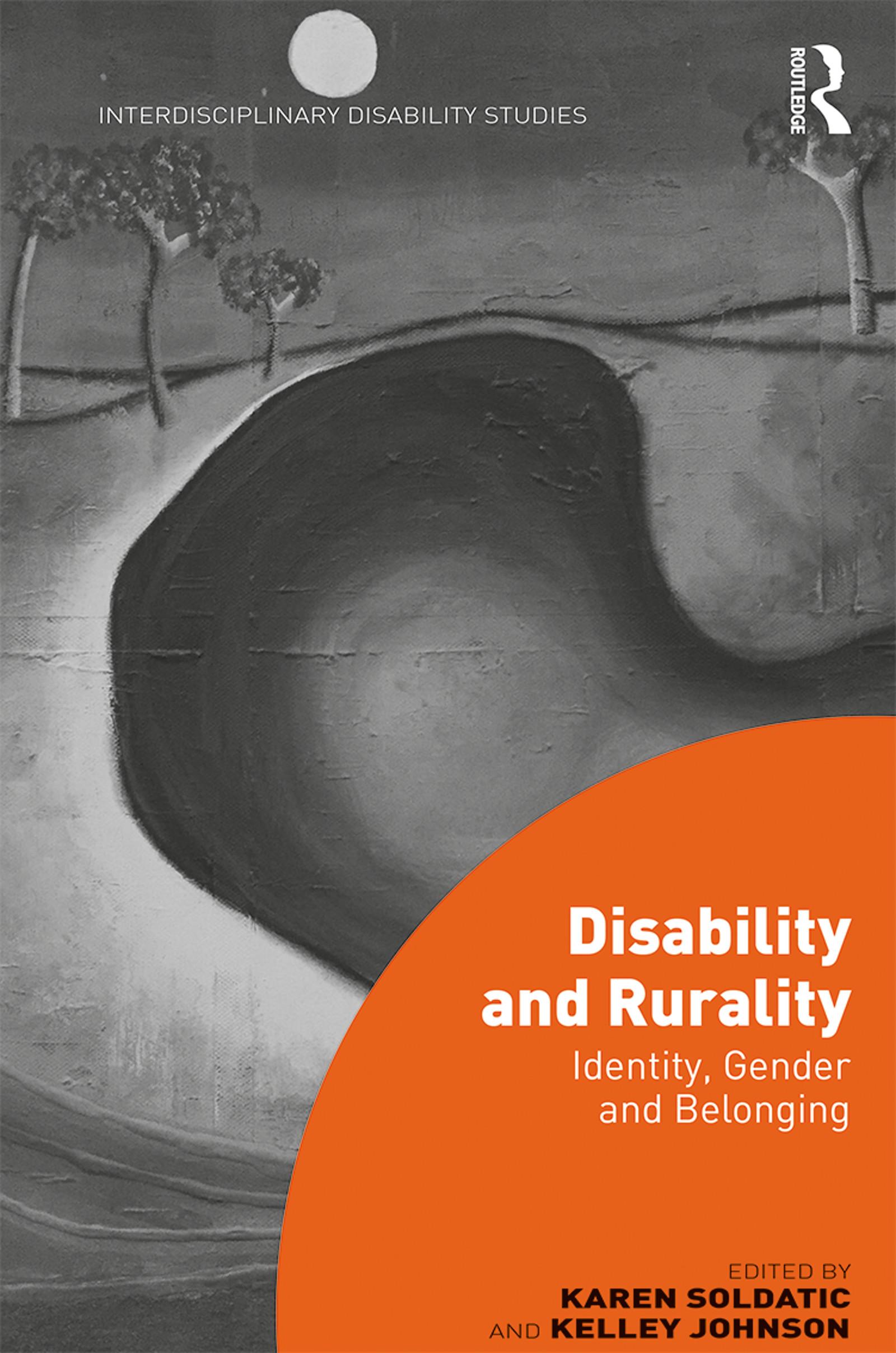
This is the first book to explore how far disability challenges dominant understandings of rurality, identity, gender and belonging within the rural literature. The book focuses particularly on the ways disabled people give, and are given, meaning and value in relation to ethical rural considerations of place, physical strength, productivity and social reciprocity.
A range of different perspectives to the issues of living rurally with a disability inform this work. It includes the lived experience of people with disabilities through the use of life history methodologies, rich qualitative accounts and theoretical perspectives. It goes beyond conventional notions of rurality, grounding its analysis in a range of disability spaces and places and including the work of disability sociologists, geographers, cultural theorists and policy analysts. This interdisciplinary focus reveals the contradictory and competing relations of rurality for disabled people and the resultant impacts and effects upon disabled people and their communities materially, discursively and symbolically.
Of interest to all scholars of disability, rural studies, social work and welfare, this book provides a critical intervention into the growing scholarship of rurality that has bypassed the pivotal role of disability in understanding the lived experience of rural landscapes.
Pay easily by card, Klarna, Apple Pay or Google Pay. Not happy? You always have a 14-day money-back guarantee. Read more in our terms. If you have any questions, email us at hello@memmo.org.
Memmo makes studying easier – wherever you are in the world. We bring your course books and smart study tools together in one place: summaries, quizzes, podcasts and flashcards. Plus Ted, your study buddy who answers anything you wonder. Over 50,000 students already study here – built to help you learn faster and stress less.