
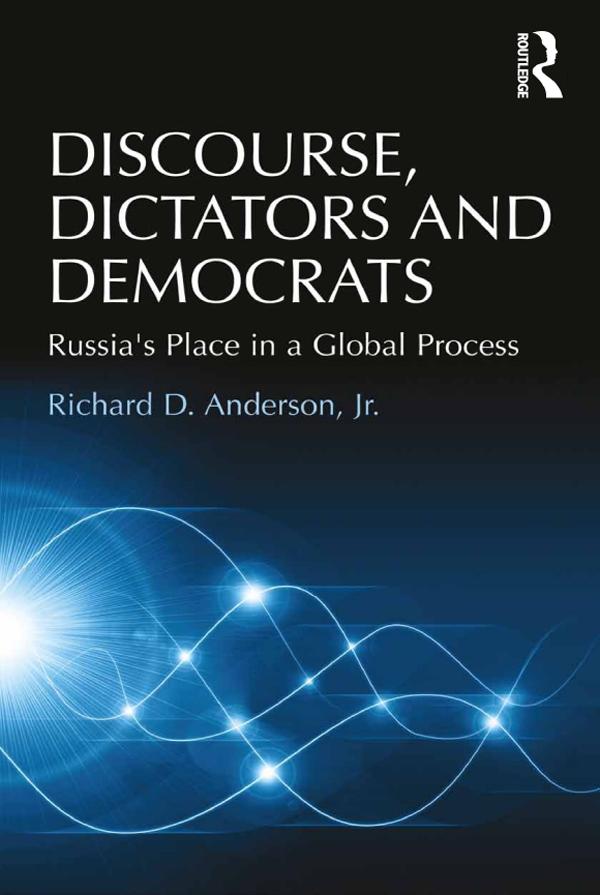
Voting hides a familiar puzzle. Many people take the trouble to vote even though each voter's prospect of deciding the election is nearly nil. Russians vote even when pervasive electoral fraud virtually eliminates even that slim chance. The right to vote has commonly been won by protesters who risked death or injury even though any one protester could have stayed home without lessening the protest’s chance of success. Could people vote or protest because they stop considering their own chances and start to think about an identity shared with others? If what they hear or read affects political identity, a shift in political discourse might not just evoke protests and voting but also make the minority that has imposed the dictator’s will suddenly lose heart. During the Soviet Union’s final years the cues that set communist discourse apart from standard Russian sharply dwindled. A similar convergence of political discourse with local language has preceded expansion of the right to vote in many states around the globe. Richard D. Anderson, Jr., presents a groundbreaking theory of what language use does to politics.
Pages: 240
Category: Statsvetenskap & Politik
e-ISBN: 9781317149859
Shipping weight: 1.2 kg
Ships in: 1-2 days
Pay easily by card, Klarna, Apple Pay or Google Pay. Not happy? You always have a 14-day money-back guarantee. Read more in our terms. If you have any questions, email us at hello@memmo.org.
Memmo makes studying easier – wherever you are in the world. We bring your course books and smart study tools together in one place: summaries, quizzes, podcasts and flashcards. Plus Ted, your study buddy who answers anything you wonder. Over 50,000 students already study here – built to help you learn faster and stress less.
You might also like
Buy the book0