
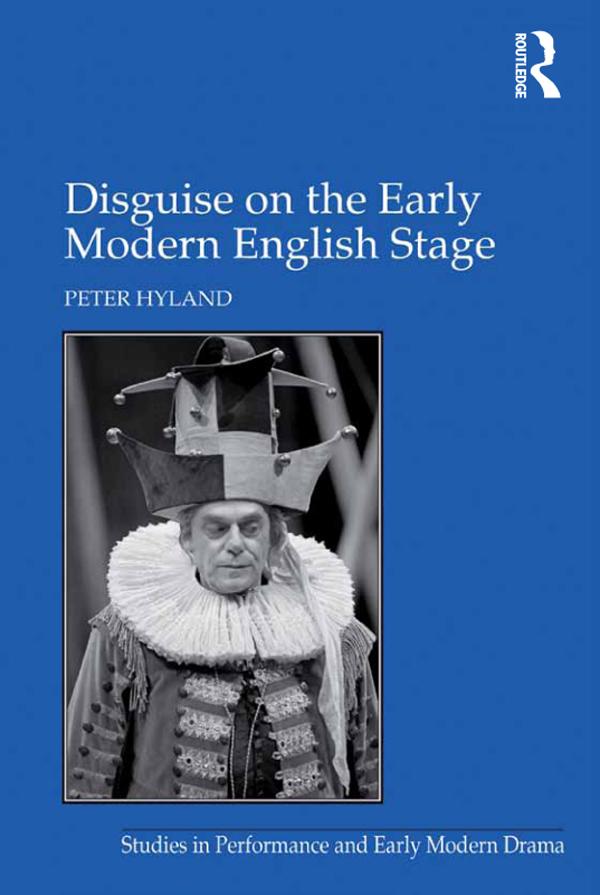
Disguise devices figure in many early modern English plays, and an examination of them clearly affords an important reflection on the growth of early theatre as well as on important aspects of the developing nation. In this study Peter Hyland considers a range of practical issues related to the performance of disguise. He goes on to examine various conceptual issues that provide a background to theatrical disguise (the relation of self and "other", the meaning of mask and performance). He looks at many disguise plays under three broad headings. He considers moral issues (the almost universal association of disguise with "evil"); social issues (sumptuary legislation, clothing, and the theatre, and constructions of class, gender and national or racial identity); and aesthetic issues (disguise as an emblem of theatre, and the significance of disguise for the dramatic artist). The study serves to examine the significant ways in which disguise devices have been used in early modern drama in England.
Pay easily by card, Klarna, Apple Pay or Google Pay. Not happy? You always have a 14-day money-back guarantee. Read more in our terms. If you have any questions, email us at hello@memmo.org.
Memmo makes studying easier – wherever you are in the world. We bring your course books and smart study tools together in one place: summaries, quizzes, podcasts and flashcards. Plus Ted, your study buddy who answers anything you wonder. Over 75,000 students already study here – built to help you learn faster and stress less.
You might also like
Buy the book0