
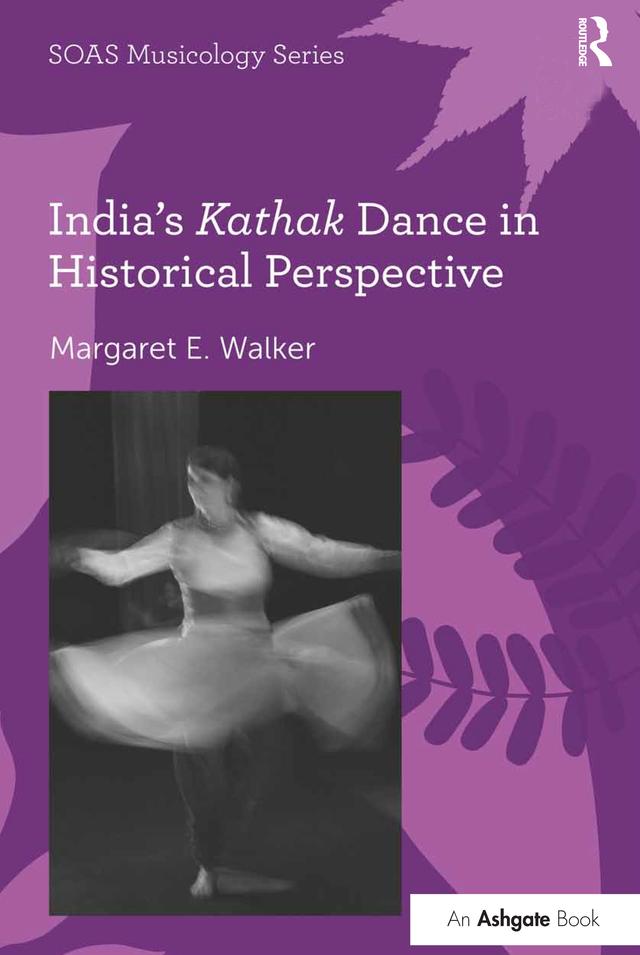
Kathak, the classical dance of North India, combines virtuosic footwork and dazzling spins with subtle pantomime and soft gestures. As a global practice and one of India's cultural markers, kathak dance is often presented as heir to an ancient Hindu devotional tradition in which men called Kathakas danced and told stories in temples. The dance's repertoire and movement vocabulary, however, tell a different story of syncretic origins and hybrid history - it is a dance that is both Muslim and Hindu, both devotional and entertaining, and both male and female. Kathak's multiple roots can be found in rural theatre, embodied rhythmic repertoire, and courtesan performance practice, and its history is inextricable from the history of empire, colonialism, and independence in India. Through an analysis both broad and deep of primary and secondary sources, ethnography, iconography and current performance practice, Margaret Walker undertakes a critical approach to the history of kathak dance and presents new data about hereditary performing artists, gendered contexts and practices, and postcolonial cultural reclamation. The account that emerges places kathak and the Kathaks firmly into the living context of North Indian performing arts.
Pay easily by card, Klarna, Apple Pay or Google Pay. Not happy? You always have a 14-day money-back guarantee. Read more in our terms. If you have any questions, email us at hello@memmo.org.
Memmo makes studying easier – wherever you are in the world. We bring your course books and smart study tools together in one place: summaries, quizzes, podcasts and flashcards. Plus Ted, your study buddy who answers anything you wonder. Over 75,000 students already study here – built to help you learn faster and stress less.
You might also like
Buy the book0