
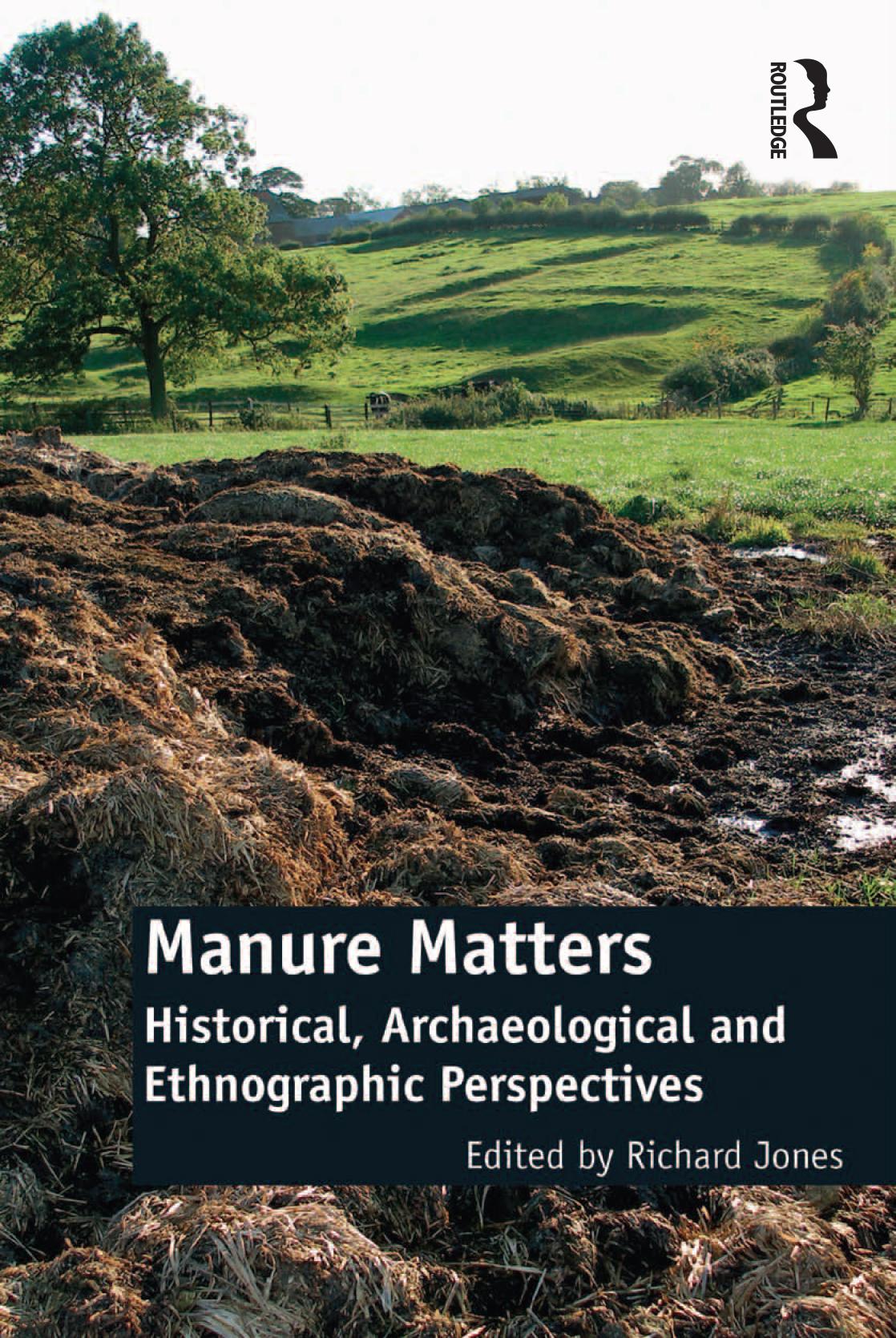
In pre-industrial societies, in which the majority of the population lived directly off the land, few issues were more important than the maintenance of soil fertility. Without access to biodegradable wastes from production processes or to synthetic agrochemicals, early farmers continuously developed strategies aimed at adding nutritional value to their fields using locally available natural materials. Manure really mattered, its collection/creation, storage, and spreading becoming major preoccupations for all agriculturalists no matter what environment they worked or at what period. This book brings together the work of a group of international scholars working on social, cultural, and economic issues relating to past manure and manuring. Contributors use textual, linguistic, archaeological, scientific and ethnographic evidence as the basis for their analyses. The scope of the papers is temporally and geographically broad; they span the Neolithic through to the modern period and cover studies from the Middle East, Britain and Atlantic Europe, and India. Together they allow us to explore the signatures that manure and manuring have left behind, and the vast range of attitudes that have surrounded both substance and activity in the past and present.
Pay easily by card, Klarna, Apple Pay or Google Pay. Not happy? You always have a 14-day money-back guarantee. Read more in our terms. If you have any questions, email us at hello@memmo.org.
Memmo makes studying easier – wherever you are in the world. We bring your course books and smart study tools together in one place: summaries, quizzes, podcasts and flashcards. Plus Ted, your study buddy who answers anything you wonder. Over 75,000 students already study here – built to help you learn faster and stress less.
You might also like
Buy the book0