
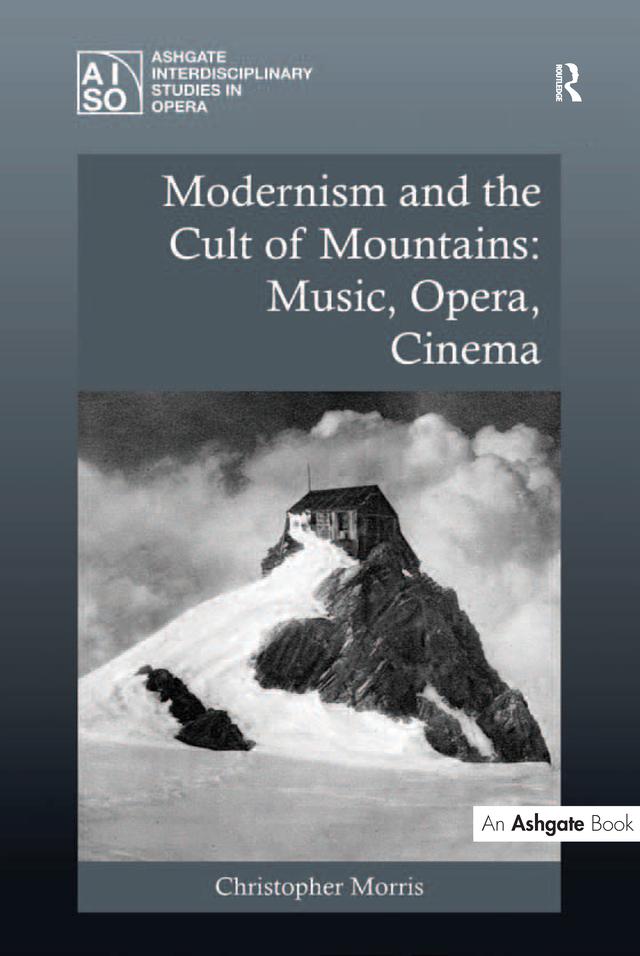
Adopting and transforming the Romantic fascination with mountains, modernism in the German-speaking lands claimed the Alps as a space both of resistance and of escape. This new 'cult of mountains' reacted to the symptoms and alienating forces associated with modern culture, defining and reinforcing models of subjectivity based on renewed wholeness and an aggressive attitude to physical and mental health. The arts were critical to this project, none more so than music, which occupied a similar space in Austro-German culture: autonomous, pure, sublime. In Modernism and the Cult of Mountains opera serves as a nexus, shedding light on the circulation of contesting ideas about politics, nature, technology and aesthetics. Morris investigates operatic representations of the high mountains in German modernism, showing how the liminal quality of the landscape forms the backdrop for opera's reflexive engagement with the identity and limits of its constituent media, not least music. This operatic reflexivity, in which the very question of music's identity is repeatedly restaged, invites consideration of musical encounters with mountains in other genres, and Morris shows how these issues resonate in Strauss's Alpine Symphony and in the Bergfilm (mountain film). By using music and the ideology of mountains to illuminate aspects of each other, Morris makes an original and valuable contribution to the critical study of modernism.
Pay easily by card, Klarna, Apple Pay or Google Pay. Not happy? You always have a 14-day money-back guarantee. Read more in our terms. If you have any questions, email us at hello@memmo.org.
Memmo makes studying easier – wherever you are in the world. We bring your course books and smart study tools together in one place: summaries, quizzes, podcasts and flashcards. Plus Ted, your study buddy who answers anything you wonder. Over 50,000 students already study here – built to help you learn faster and stress less.
You might also like
Buy the book0