
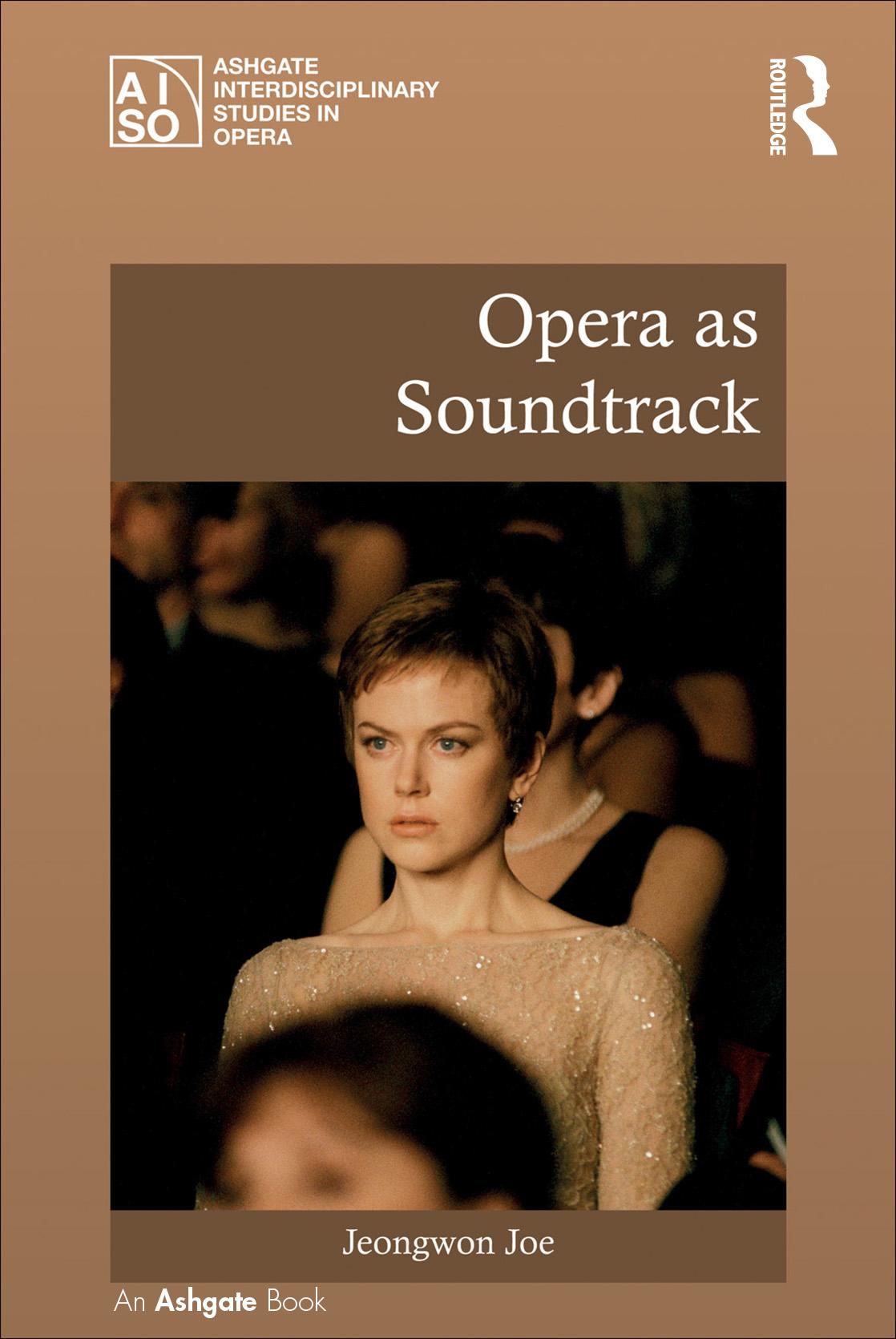
Filmmakers' fascination with opera dates back to the silent era but it was not until the late 1980s that critical enquiries into the intersection of opera and cinema began to emerge. Jeongwon Joe focusses primarily on the role of opera as soundtrack by exploring the distinct effects opera produces in film, effects which differ from other types of soundtrack music, such as jazz or symphony. These effects are examined from three perspectives: peculiar qualities of the operatic voice; various properties commonly associated with opera, such as excess, otherness or death; and multifaceted tensions between opera and cinema - for instance, opera as live, embodied, high art and cinema as technologically mediated, popular entertainment.
Joe argues that when opera excerpts are employed on soundtracks they tend to appear at critical moments of the film, usually associated with the protagonists, and the author explores why it is opera, not symphony or jazz, that accompanies poignant scenes like these. Joe's film analysis focuses on the time period of the post-1970s, which is distinguished by an increase of opera excerpts on soundtracks to blockbuster titles, the commercial recognition of which promoted the production of numerous opera soundtrack CDs in the following years. Joe incorporates an empirical methodology by examining primary sources such as production files, cue-sheets and unpublished interviews with film directors and composers to enhance the traditional hermeneutic approach. The films analysed in her book include Woody Allen’s Match Point, David Cronenberg’s M. Butterfly, and Wong Kar-wai’s 2046.
Pay easily by card, Klarna, Apple Pay or Google Pay. Not happy? You always have a 14-day money-back guarantee. Read more in our terms. If you have any questions, email us at hello@memmo.org.
Memmo makes studying easier – wherever you are in the world. We bring your course books and smart study tools together in one place: summaries, quizzes, podcasts and flashcards. Plus Ted, your study buddy who answers anything you wonder. Over 50,000 students already study here – built to help you learn faster and stress less.