
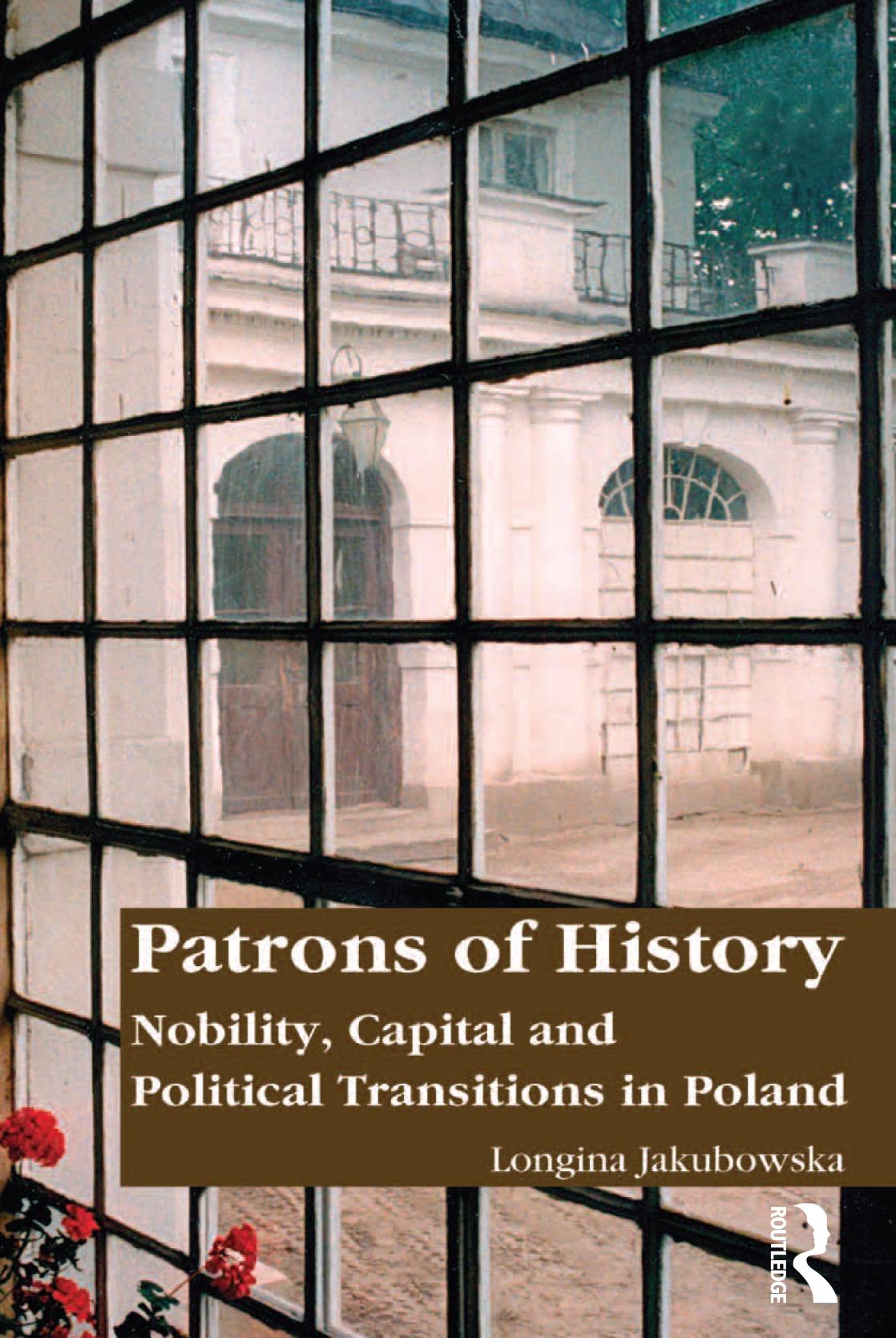
This book explores resilience, social capital and relationships of power in an examination of the manner in which capital can be converted from one form to another. Through a study of the survival of the Polish gentry, in spite of the communist regime's attempts to disempower and discredit them through land reform and high-profile trials, Patrons of History shows how the gentry managed not only to survive as a class, but also to remain influential. By revitalising older forms of cultural capital invested with education and transnational networks, the gentry were able to transform wealth, land, patronage, lifestyle and the ability to define patriotism and authorise a version of history, so as to ensure that noble heritage remained an advantageous resource in the face of communist opposition. Drawing on rich interview material spanning fifteen years, Patrons of History sheds light not only on communism as it existed and the stratification that persisted under such regimes, but also on the functioning of relationships of power and the ways in which privilege can be studied in the contemporary world. As such, this book will appeal to anthropologists, sociologists, ethnographers and historians interested in cultural and social capital, inequality and resistance.
Pay easily by card, Klarna, Apple Pay or Google Pay. Not happy? You always have a 14-day money-back guarantee. Read more in our terms. If you have any questions, email us at hello@memmo.org.
Memmo makes studying easier – wherever you are in the world. We bring your course books and smart study tools together in one place: summaries, quizzes, podcasts and flashcards. Plus Ted, your study buddy who answers anything you wonder. Over 50,000 students already study here – built to help you learn faster and stress less.
You might also like
Buy the book0