
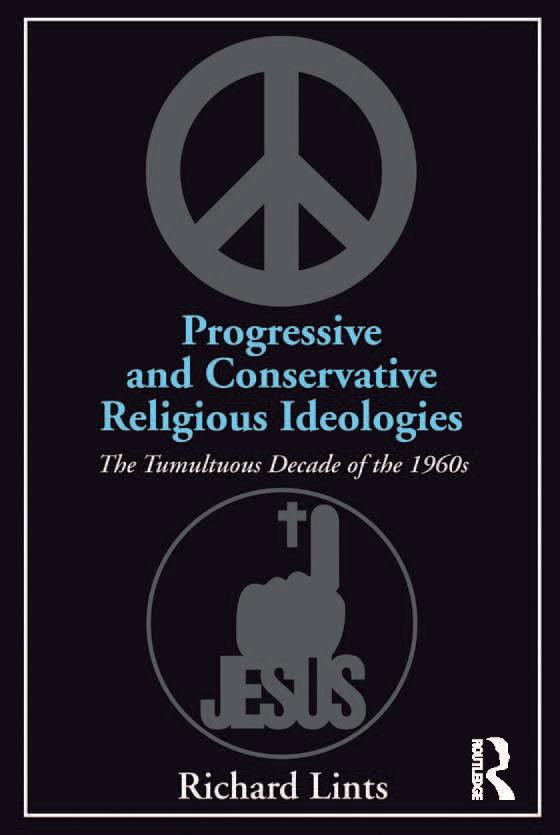
This book explores the surprisingly disruptive role of religion for progressive and conservative ideologies in the tumultuous decade of the 1960s. Conservative movements were far more progressive than the standard religious narrative of the decade alleges and the notoriously progressive ethos of the era was far more conservative than our collective memory has recognized. Lints explores how the themes of protest and retrieval intersect each other in ironic ways in the significant concrete controversies of the 1960s - the Civil Rights Movement, Second Feminist Movement, The Jesus Movements, and the Anti-War Movements - and in the conceptual conflicts of ideas during the era - The Death of God Movement, the end of ideology controversy, and the death of foundationalism. Lints argues that religion and religious ideologies serve both a prophetic function as well as a domesticating one, and that neither "conservative" nor "progressive" movements have cornered the market in either direction. In the process Lints helps us better understand the complex role of religion in cultural formation.
Pay easily by card, Klarna, Apple Pay or Google Pay. Not happy? You always have a 14-day money-back guarantee. Read more in our terms. If you have any questions, email us at hello@memmo.org.
Memmo makes studying easier – wherever you are in the world. We bring your course books and smart study tools together in one place: summaries, quizzes, podcasts and flashcards. Plus Ted, your study buddy who answers anything you wonder. Over 50,000 students already study here – built to help you learn faster and stress less.
You might also like
Buy the book0